


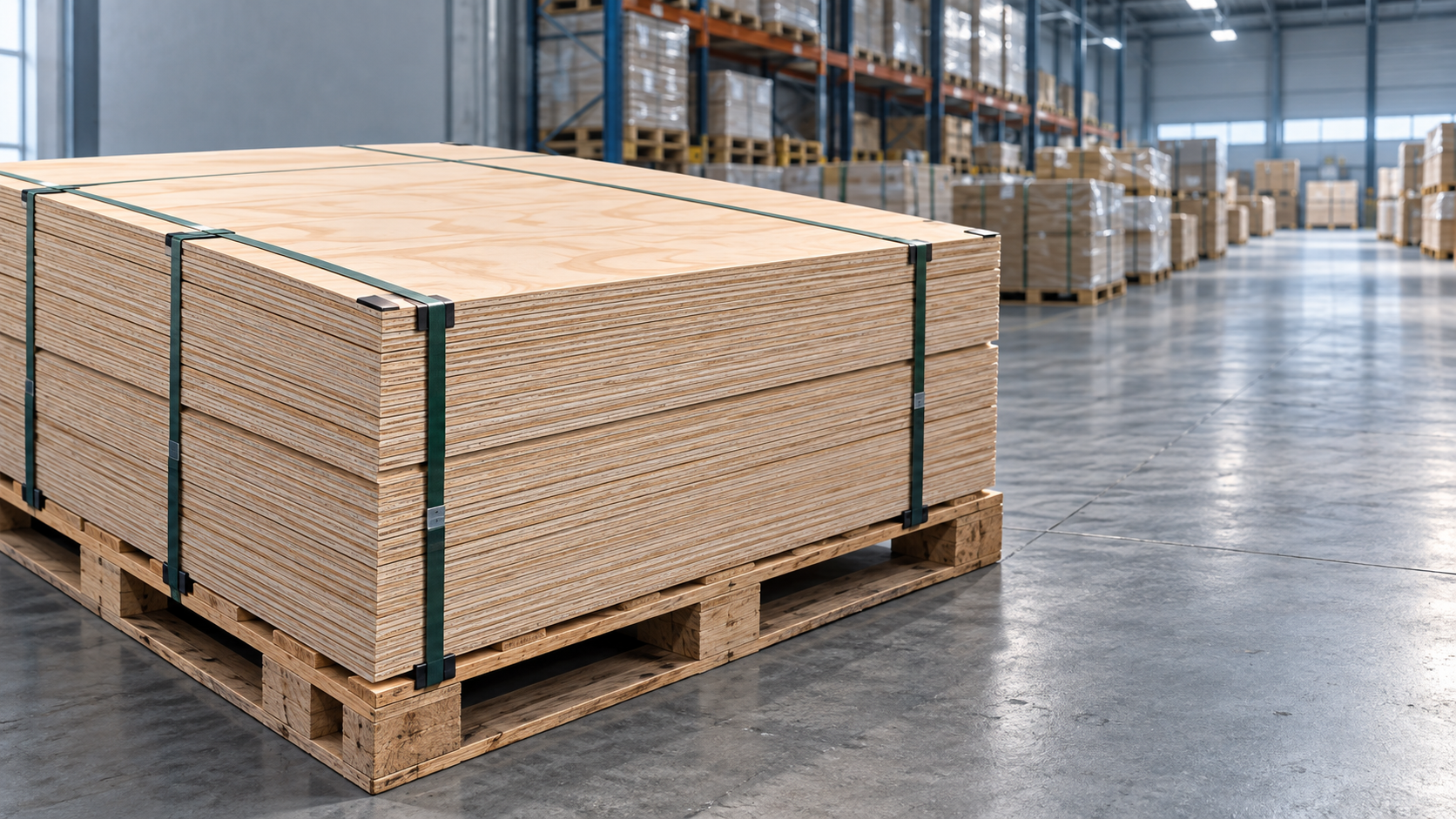
The United States is scheduled to remove a 50% additional tariff on 22 categories of Canadian products, including thin plywood and packaging machinery, effective October 30, 2026. According to the supplied information, President Trump signed a proclamation authorizing the change while also introducing tariffs on certain other Canadian products, including carpets and valves. For exporters, importers, manufacturers and procurement teams, the adjustment could change purchasing costs and quotation assumptions, making the precise product coverage and effective-date arrangements particularly relevant.
Tariff Relief for 22 Categories Accompanies New Duties Elsewhere
The supplied account states that President Trump signed the proclamation under Section 338 of the Smoot-Hawley Tariff Act. The measure removes the 50% additional tariff on 22 Canadian product categories, with thin plywood and packaging machinery among the products identified. The removal is scheduled to take effect on October 30, 2026.
The same account states that the United States is adding tariffs on some Canadian products, including carpets and valves, in response to what it describes as discriminatory Canadian treatment of U.S. products. The input does not provide the complete product lists, the rates of the newly added tariffs or detailed implementation provisions.
Different Product Lines Could Face Different Commercial Pressures
Plywood buyers may need to revisit purchasing assumptions
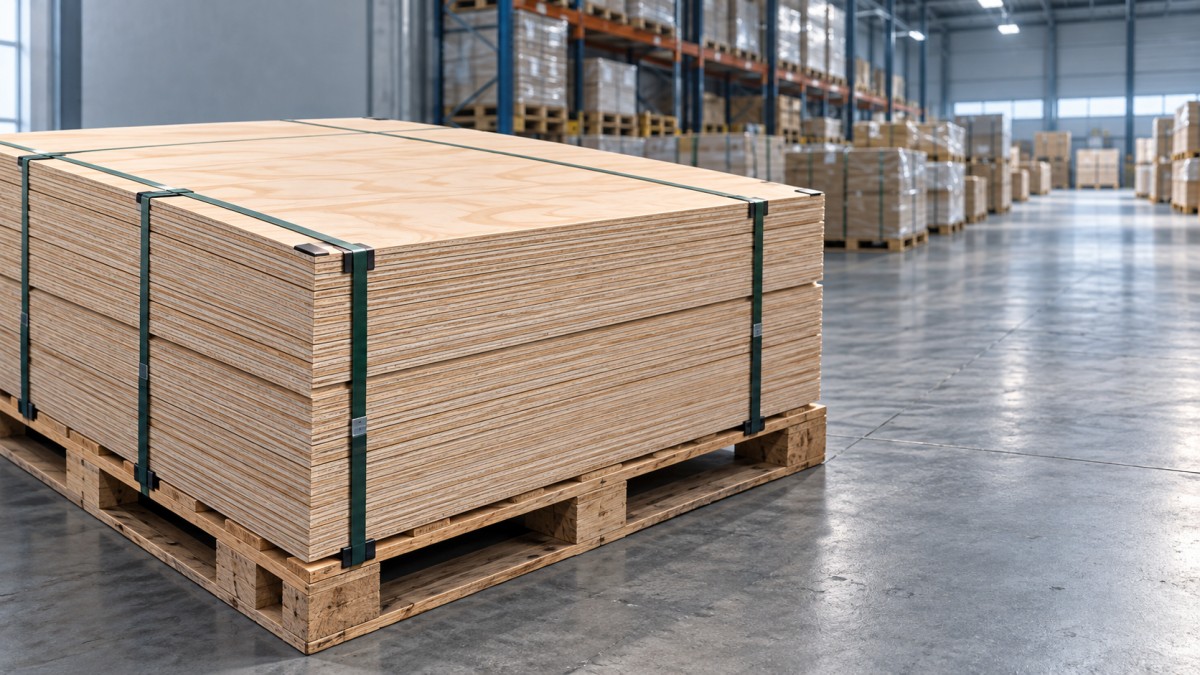
From an industry perspective, removing an additional tariff could lower the tariff component of purchasing costs for covered Canadian thin plywood. Importers, distributors and manufacturers using these products may therefore have reason to reassess supplier quotations and procurement budgets. Any benefit would depend on whether the specific goods qualify and how suppliers reflect the adjustment in commercial prices; the announcement alone does not establish a reduction in final purchase prices.
Packaging machinery quotations may require closer coordination
Analysis suggests that packaging machinery exporters, equipment buyers and integrators could face questions about quotations and deliveries spanning the effective date. For potentially covered equipment, it may be useful to review how contracts allocate tariff costs and whether quoted prices assume the additional duty. The supplied information does not establish how machinery already ordered or in transit will be treated.
Carpet and valve businesses face a separate cost assessment
For traders and buyers handling Canadian carpets or valves, the announced additional tariffs could create upward cost pressure. As an analytical consideration, businesses dealing in several affected product lines may need separate assessments for each category: relief available to one product group cannot be assumed to apply across a supplier's entire portfolio.
Product Coverage and Timing Should Guide Commercial Reviews
Match individual products to the eventual detailed coverage
As a practical recommendation, businesses should verify the applicable product descriptions and tariff classifications against the relevant official documentation before revising cost calculations. Broad references to plywood, packaging machinery, carpets or valves are insufficient to establish the treatment of every model or specification. The input does not identify all 22 categories.
Check how the effective date applies to planned shipments
Procurement and logistics teams should consider reviewing deliveries that could fall near October 30, 2026. This is a planning recommendation, since the supplied information does not specify which customs event determines eligibility for the tariff removal or how transitional shipments will be handled. Decisions to accelerate or defer shipments would therefore benefit from confirmation of the applicable execution rules.
Review quotations, contracts and supporting records
Analysis suggests that affected companies could usefully compare existing quotations with their tariff assumptions and examine contractual provisions governing price adjustments. Product descriptions, origin records and shipment documents may help support that review. These are suggested preparation steps; the supplied account does not announce new documentation or certification requirements.
Assess newly tariffed products independently
Businesses purchasing Canadian carpets or valves should seek confirmation of the relevant coverage, additional duty rates and implementation timing before finalizing revised budgets. Where alternative sourcing is considered, procurement teams could assess specifications and delivery commitments alongside potential tariff costs. The available information does not support a quantified comparison between suppliers.
A Scheduled Adjustment With Execution Details Still to Verify
As an editorial assessment, this development is best understood as a scheduled, selective change in tariff treatment. The combination of removals and additions suggests that its commercial significance will vary by product, even within the same trading relationship.
The clearest distinction for business planning is between the stated October 30, 2026 effective date for removing the 50% additional tariff and the operational details needed to apply that change to individual transactions. Full product coverage, transitional treatment and the terms of the newly announced tariffs remain important verification points. The supplied information alone does not establish actual customs outcomes or market responses.
Commercial Decisions Should Follow Confirmed Product Treatment
From an industry perspective, the announcement gives affected businesses a reason to review purchasing costs, quotation validity and delivery arrangements. Its practical value will depend on the treatment of specific goods and the execution of the announced adjustment. A measured approach is to prepare product-level assessments now and base binding pricing or shipment decisions on verified provisions, without assuming that every Canadian product benefits from the change.
Basis of Reporting and Further Verification
This article is based exclusively on the user-provided news title, effective date and event summary. No specific official source link was supplied, so the underlying proclamation and implementation details remain subject to verification. Relevant materials to consult include the official proclamation and customs or trade authority guidance. Further observation should focus on the complete product lists, effective-date procedures, newly imposed tariff rates, actual trade execution and feedback from affected businesses.
Leave A Message
If you are interested in our products and want to know more details, please leave a message here, we will reply you as soon as we can.