



Banbang.com has published construction formwork trading guide prices for November 1, 2026, providing buyers and suppliers with a reference for plywood and formwork quotations. The time of the underlying event is not specified in the supplied information. For procurement and trading teams, the publication is worth examining as a pricing reference; the information provided does not identify a new regulation or mandatory pricing rule.
Products covered by the price guidance
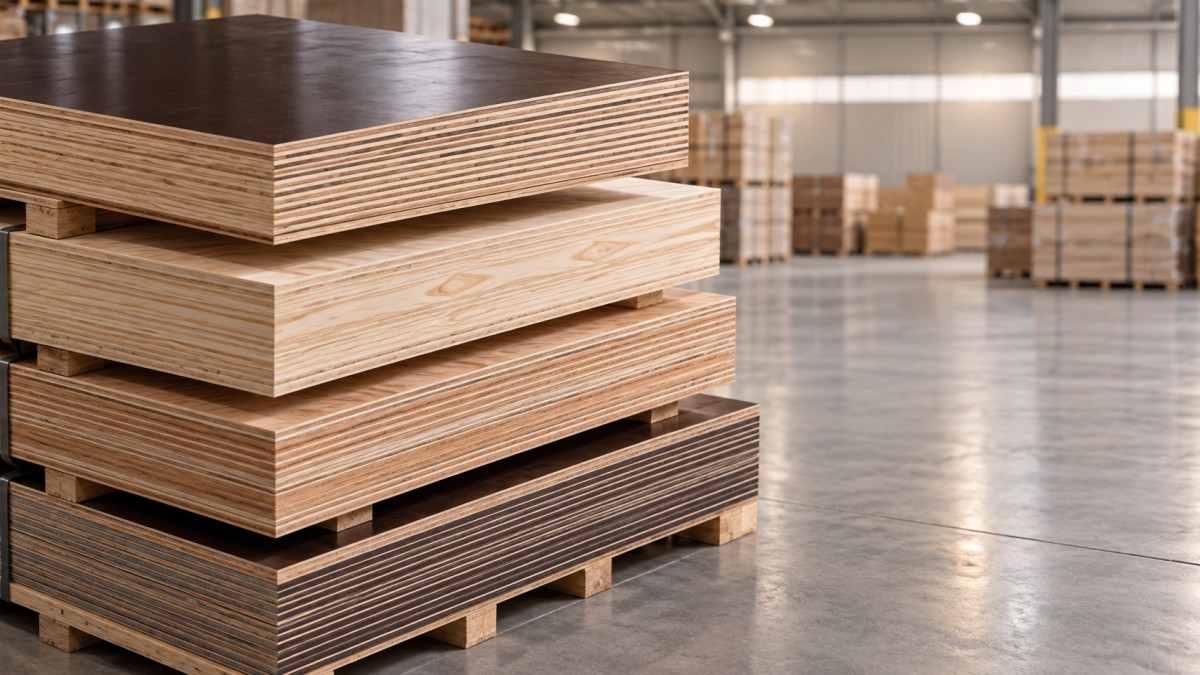
The guidance covers market conditions and price ranges for plywood and construction formwork in multiple specifications, including 1,220 × 2,440 mm products in thicknesses from 8 mm to 18 mm. It is intended to give buyers and suppliers a current quotation reference and help reduce information asymmetry.
Where the reference may affect transactions
Comparing quotations by specification
Analysis suggests that buyers may find the guidance useful when comparing offers for plywood and formwork. Its value in a particular purchase will depend on whether the quoted product matches the dimensions and thickness under review. Buyers may also need to check other product and delivery terms before treating quotations as comparable.
Pricing discussions between suppliers and buyers
For suppliers and trading businesses, the published ranges may provide a reference point in negotiations. They do not, on the information provided, establish compulsory transaction prices. Actual offers and agreements may therefore differ from the guidance.
Planning purchases and deliveries
From a supply-chain perspective, procurement teams and contractors may use the reference when reviewing material budgets or discussing orders. Analysis suggests that price comparisons should be considered alongside availability and delivery terms, which are not detailed in the supplied information.

Checks before using the guidance in an order
Match the product description
Buyers and suppliers can verify the product category, dimensions and thickness associated with each reference price before applying it to a quotation. The input identifies several specifications but does not provide a complete product-by-product price list.
Confirm the terms behind each offer
As a practical precaution, parties may check whether a supplier's quotation covers the same quantities, delivery arrangements and other commercial terms used in their comparison. These checks are recommendations, not requirements established by the publication.
Verify current pricing and availability
Businesses may wish to confirm current quotations with suppliers when making purchasing decisions. The supplied summary does not specify how long the published ranges remain applicable or how availability is assessed.
A market reference, not a new pricing mandate
At this stage, it is more appropriate to understand the publication as a pricing reference than as a change in law, certification or mandatory trade rules. Analysis suggests that its practical influence will depend on how market participants use the figures and how closely the quoted specifications and commercial terms match actual transactions. Subsequent pricing updates and industry feedback remain relevant to that assessment.
Using the figures with appropriate context
The guidance offers a starting point for discussing construction formwork and plywood prices across the specifications described. Businesses can use it alongside verified supplier quotations and order terms, while avoiding the assumption that a reference range determines the price or conditions of a transaction.
Basis for this article
This article is based on the user-provided news title, event-time information and summary. No specific official source link was provided in the input, so the publication and its details require continued verification. Subsequent price updates, transaction practices and industry feedback should also be monitored.
Leave A Message
If you are interested in our products and want to know more details, please leave a message here, we will reply you as soon as we can.