


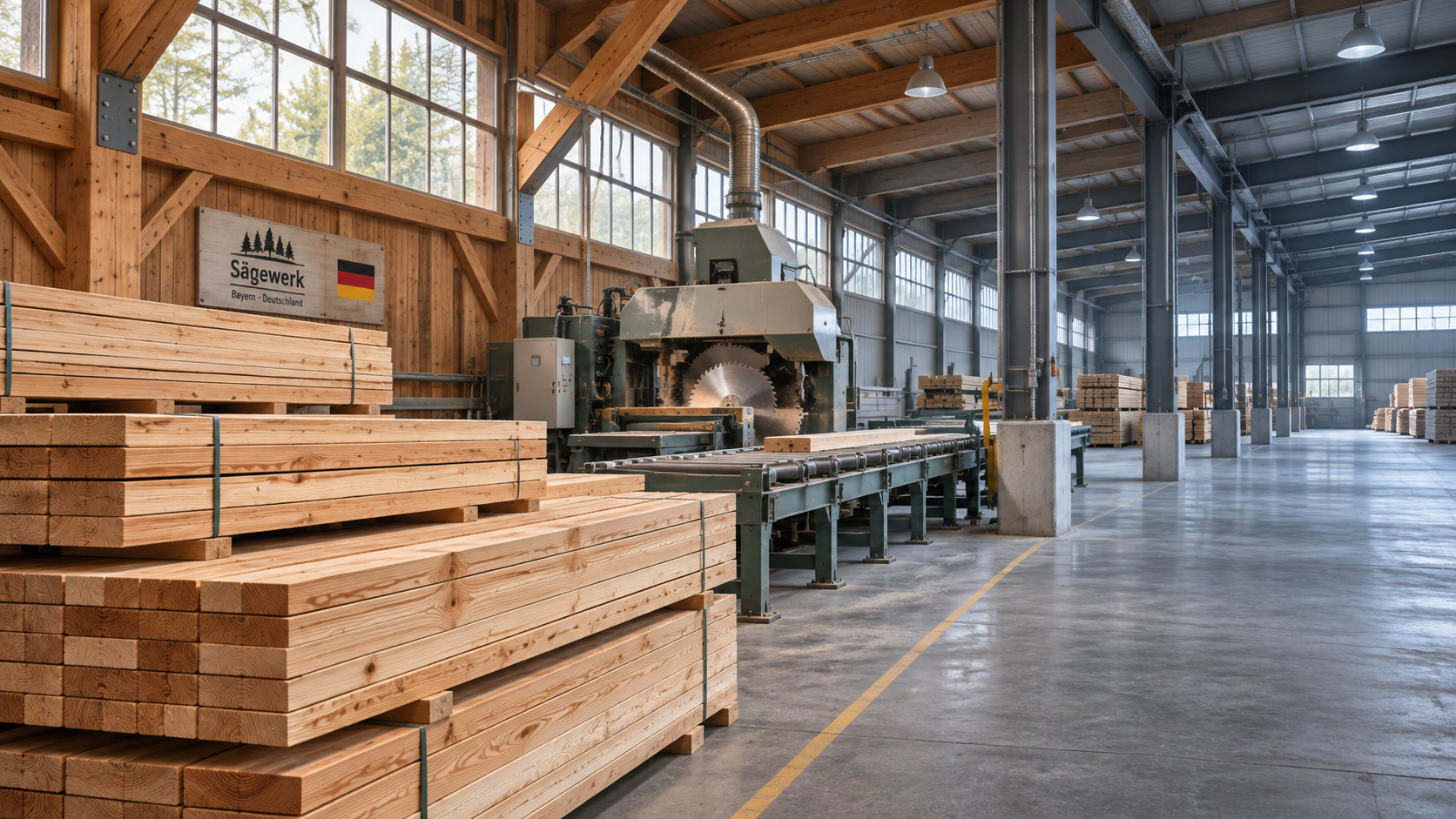
Germany's prolonged housing downturn has prompted timber producers to cut capacity, with sawmill output down 9% year on year. The date of the event was not specified. The industry is calling for urgent government measures, but no new policy or rule is identified in the information provided. The call matters to timber suppliers, buyers and construction-related businesses assessing demand and supply-chain pressure.
Housing Weakness Prompts Calls for Action
Germany's housing market remains in a downturn, and timber producers have reduced capacity. Sawmill output has fallen 9% compared with a year earlier. The industry is asking the government to take urgent measures in response to weak construction demand and supply-chain pressure. The situation reflects changes in supply and demand in European construction and timber markets.
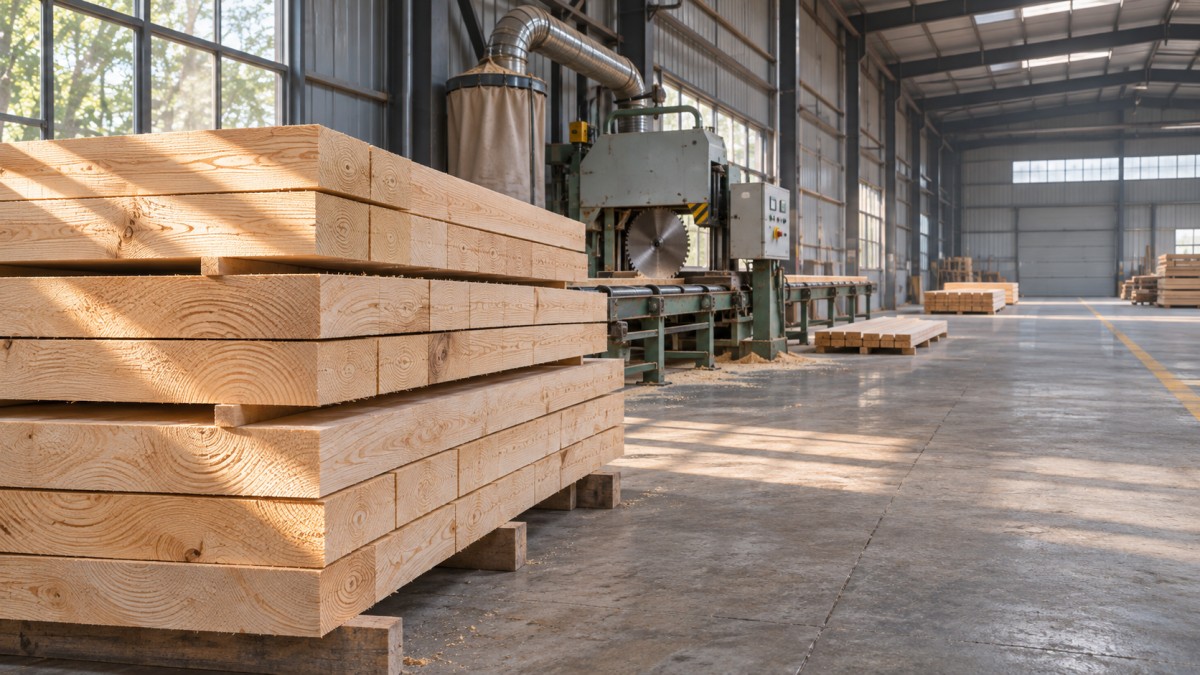
Where Production Cuts May Affect Timber Supply
Sawmills and Timber Processors
Analysis suggests that lower sawmill output may make production scheduling more sensitive to changes in orders. Producers and processors may need to assess how available capacity aligns with customer specifications and delivery commitments. Any effect on individual products or delivery times remains unconfirmed.
Buyers and Construction Suppliers
For timber buyers and businesses supplying construction projects, reduced output may affect procurement planning if supply availability changes. Buyers may wish to check quantities, specifications and proposed delivery dates with suppliers. The information provided does not establish a shortage or a change in contractual requirements.
Trade and Supply-Chain Businesses
From a supply-chain perspective, businesses moving or reselling timber may face uncertainty when coordinating orders and deliveries. They may wish to monitor supplier capacity and any subsequent government response. No change to trade rules, documentation or certification requirements has been identified in the information provided.
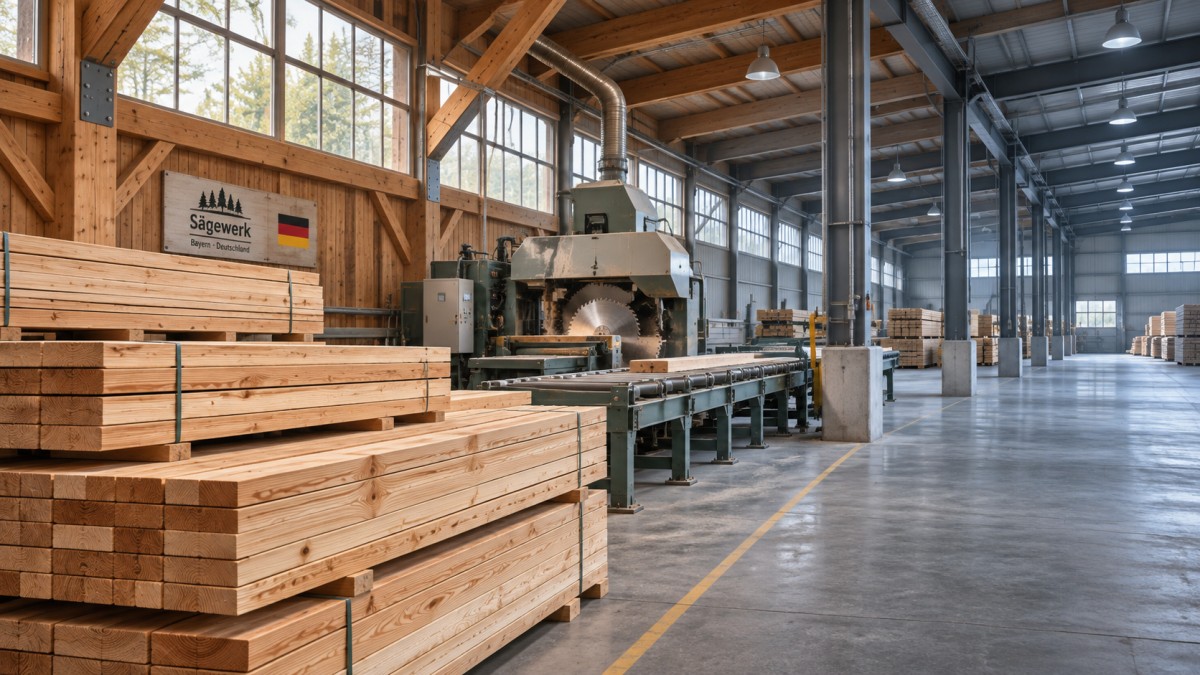
Planning Around Uncertain Demand and Capacity
Review Orders and Delivery Commitments
Businesses may consider comparing purchase plans with confirmed orders and checking delivery schedules with suppliers. This could help identify where a further capacity change might affect commitments, although the reported output decline does not establish a delay for any particular order.
Verify Alternatives Before Committing
Where supply availability is uncertain, buyers could assess alternative suppliers or materials against the specifications and delivery terms of individual projects. Any substitution should be verified with the relevant parties before it is incorporated into an order.
Watch for a Government Response
Companies may wish to follow official announcements and industry feedback for any response to the call for urgent measures. The information supplied does not describe proposed policy details, an implementation timetable or new compliance obligations.
A Call for Measures, Not an Implemented Rule
At this stage, it is more appropriate to understand the industry's appeal as a policy signal requiring further observation, not as evidence of an enacted measure. Analysis of its practical significance will depend on whether a government response is announced and what it says about scope, timing and implementation. Industry feedback and changes in construction demand may also inform business decisions.
Responding to the Current Signal
The reported decline in sawmill output connects weak housing demand with pressure on timber production and supply chains. For now, the prudent interpretation is a confirmed production decline alongside a call for government action, with the effects on individual businesses and any policy response still to be assessed.
Basis for This Report and Further Verification
This article is based on the user-provided news title, event-time information and summary. No specific official source link was provided in the input, so the underlying details and any subsequent developments require continued verification. Relevant materials to monitor may include official announcements, industry association information and authoritative media reports, particularly for policy details, implementation and industry feedback.
Leave A Message
If you are interested in our products and want to know more details, please leave a message here, we will reply you as soon as we can.