


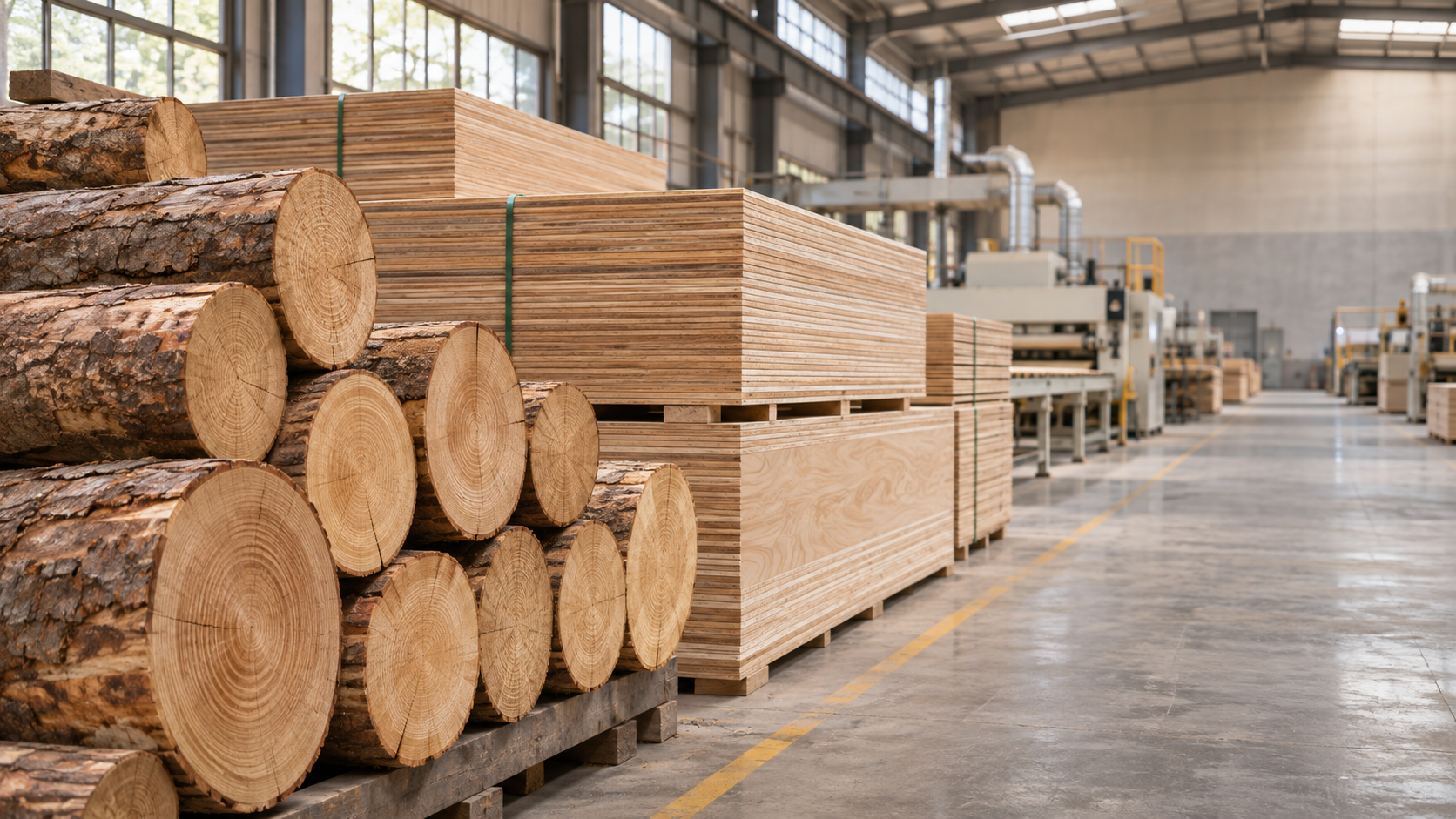
Germany has decided to adjust its bioenergy policy to shift the use of industrial roundwood away from energy generation and toward industrial materials and products. The change is intended to reduce the volume consumed by the bioenergy sector, with potential consequences for wood supply and price expectations across Europe and beyond.
For manufacturers of plywood and wood-based panels, the central question is how much wood previously used for energy could become available for industrial production. The policy signals a change in the intended use of the resource, but its effect on individual markets will depend on how the adjustment is implemented and whether the wood released is suitable for the products concerned.
How the policy could affect wood supply
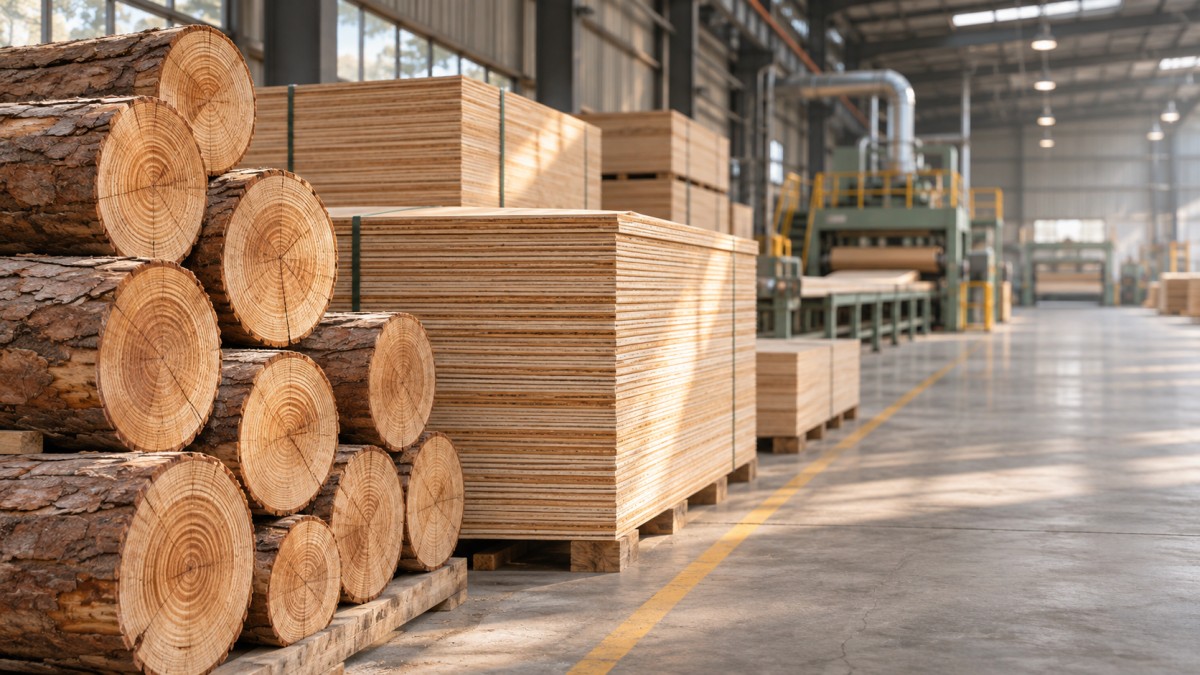
The proposed shift changes the relationship between two potential uses of industrial roundwood. If bioenergy producers consume less of it, industrial users could face less competition for some material. That would not automatically translate into additional usable supply for every manufacturer: the outcome depends on the type of wood available and its suitability for particular production processes.
The distinction matters for plywood and wood-based panels. Both depend on wood raw materials, but an increase in the volume available to industry would not necessarily benefit them equally. The relevant question for each producer is whether the material diverted from energy use matches its production requirements and can be obtained on workable commercial terms.
The adjustment could also influence purchasing expectations before its full effect on physical supply becomes clear. Buyers assessing future raw-material needs may pay attention to the expected reduction in bioenergy consumption, while suppliers may reassess where demand for their wood will come from. Those changes in expectations could affect negotiations, although the direction and scale of any price movement will depend on the eventual balance between supply and demand.
Implications beyond Germany
The potential European impact follows from the role of wood as a raw material for competing uses. If less industrial roundwood is directed to energy generation in Germany, the resulting change in purchasing patterns could affect the availability of wood for other users. Whether that effect reaches particular European markets will depend on where the material is sold and which buyers can use it.
The potential global effect is less direct. Changes in European demand or supply could influence expectations elsewhere, but a German policy decision alone does not establish that global prices or trade flows will change. The size of any wider response would depend on the volume affected and on how suppliers and buyers adjust their purchasing and sales.
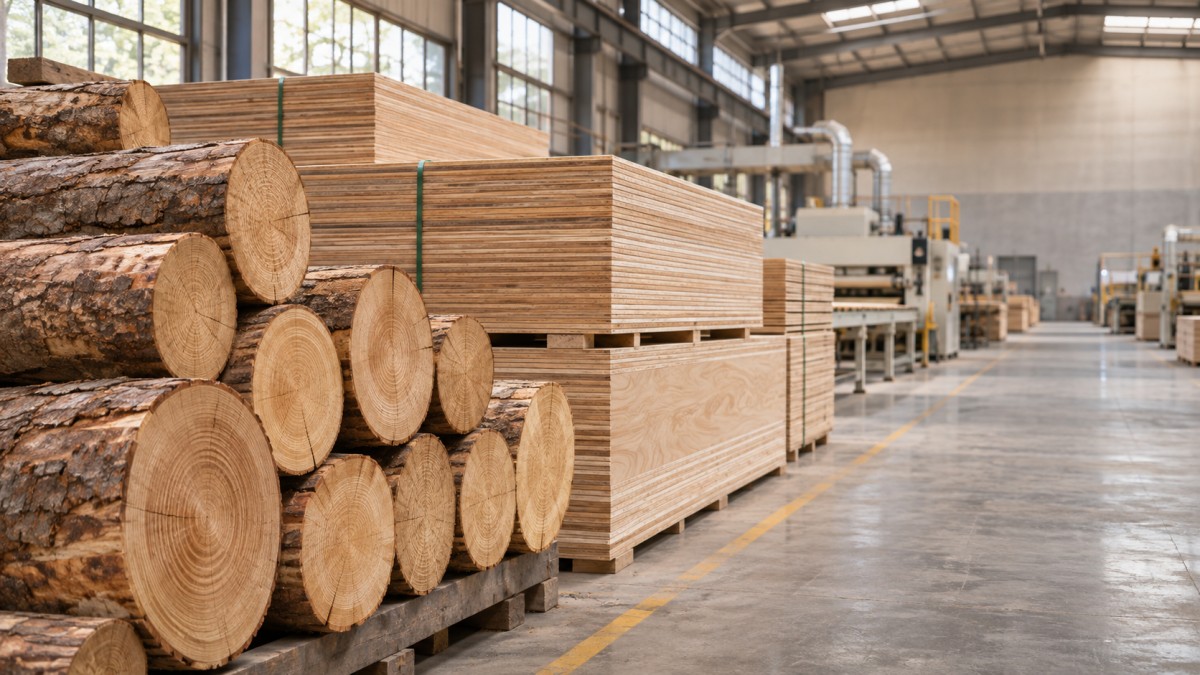
For the plywood and panel supply chain, the distinction between raw wood availability and finished-product pricing is also important. More wood available to industrial users could ease pressure on some raw-material purchases, but it would not by itself determine the price of plywood or panels. Producers would still need suitable material, and any effect on finished products would depend on how changes in raw-material conditions pass through production and sales.
The most useful developments to follow are the practical details of the policy adjustment and evidence of changes in wood use. Official announcements may clarify how the intended reduction in bioenergy consumption will be put into effect. Subsequent information from producers and industry organizations could help show whether more suitable material is reaching industrial buyers and whether purchasing conditions are changing.
Leave A Message
If you are interested in our products and want to know more details, please leave a message here, we will reply you as soon as we can.