



On November 16, 2026, North American lumber futures fell to a recent low of $509.96 per thousand board feet, drawing attention to potential cost pressure across wood products, including plywood. The supplied information describes weak construction demand and excess supply, but identifies no change to a policy, regulation, standard, certification requirement or trade rule. For buyers, manufacturers and suppliers, the immediate question is how a futures-price decline might affect purchasing and delivery decisions under their existing commercial terms.
Lumber futures reach $509.96
North American lumber futures fell to $509.96 per thousand board feet on November 16, 2026, a decline of 1.93% from the preceding trading day. Over the previous month, lumber prices fell by a cumulative 2.40%.
The supplied event summary associates the decline with weak construction-market demand and excess supply. It also identifies downward pressure on raw-material costs for wood products, including plywood.
The event is described as a recent low in the supplied title. No longer historical comparison, named futures contract or specific source is provided.
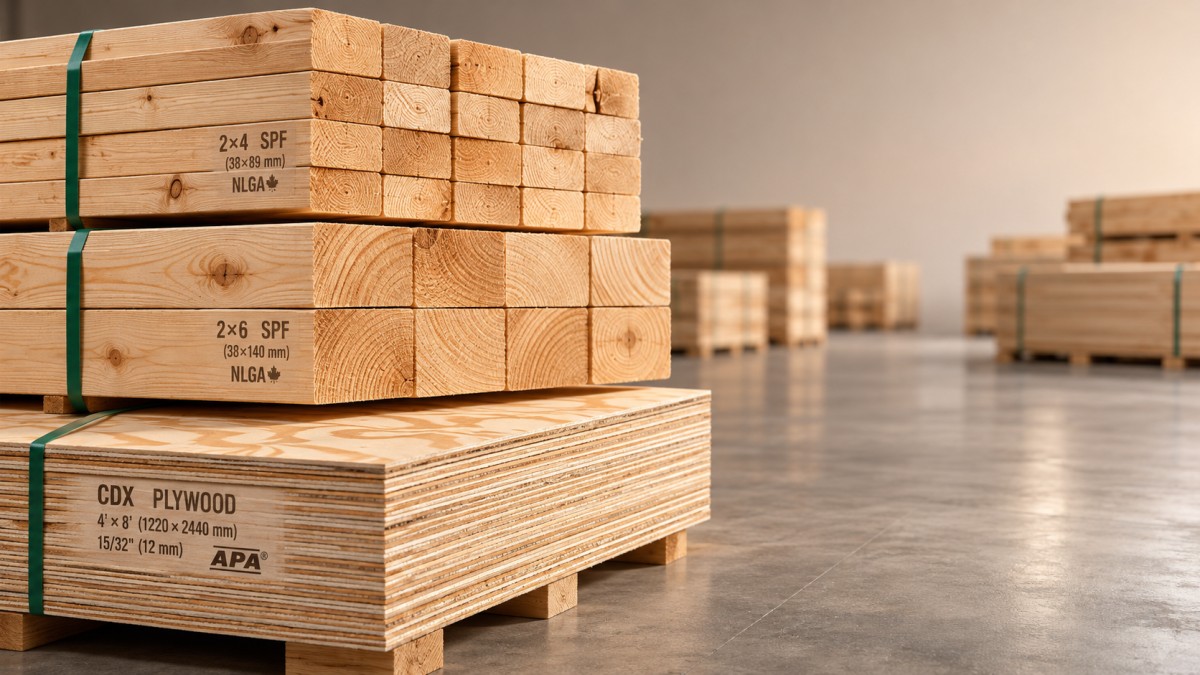
Where lower futures prices may reach the wood-products chain
Raw-material buyers and purchasing schedules
For businesses that purchase lumber or wood-based inputs, analysis suggests the futures decline may be a reason to reassess the timing and terms of purchases. A lower futures price can provide a reference point in supplier discussions, but the information supplied does not establish the price any individual buyer pays. A buyer's grade, location, order size, delivery date and contract terms may affect how closely a quotation follows the reported market movement.
Purchasing teams may therefore want to compare current offers with the specifications and delivery conditions attached to them. If existing agreements contain price-adjustment provisions, the relevant contract wording may determine whether and when a market movement affects the invoice. The reported decline alone does not establish that a supplier must reduce a price or that a buyer can amend a commitment.
Plywood and other wood-products manufacturers
Manufacturers may face downward pressure on some raw-material costs if changes in lumber markets carry through to the inputs they actually purchase. The connection may vary by product and supplier: the supplied information does not quantify the effect on plywood production costs or confirm that manufacturers have already received lower quotations.
From an industry perspective, the timing of purchases matters as much as the reported futures price. Material already ordered or held in inventory may have been bought under different terms from material quoted after November 16. Manufacturers may find it useful to distinguish these commitments when assessing product quotations, margins and delivery plans, while treating any savings as estimates until purchase terms are confirmed.
Traders, distributors and customers awaiting delivery
For traders and distributors, analysis suggests that a falling reference price may affect negotiations between suppliers and customers. Businesses holding stock purchased at earlier prices may need to consider the relationship between replacement quotations and the terms offered to customers. The event summary does not establish how much inventory is held, how it is valued or whether resale prices have changed.
Customers with orders in progress may also ask whether the decline affects their agreed prices. The answer would depend on the applicable commercial documents rather than on the futures movement by itself. Parties can review quotation validity, price-review provisions and delivery obligations before assuming that a change in a market reference carries through to an existing order.
Questions to resolve before changing purchase or delivery plans
Compare the reference price with the actual material
The reported figure is a futures price expressed per thousand board feet. Buyers considering it in a procurement decision may first need to establish whether the material they buy is comparable to the market reference in product, specification and delivery terms. The input does not identify those contract details, so it cannot support a direct calculation of savings on a particular shipment.
A practical review could bring together the latest supplier quotation, the relevant product specification and the costs included in the offer. Where an offer covers processing or delivery as well as material, separating those elements may help the parties understand which component is being renegotiated. This is an analytical step for commercial discussions, not a newly imposed reporting requirement.
Read price clauses alongside delivery commitments
Analysis suggests that companies with open orders may benefit from checking whether their agreements use fixed prices, scheduled reviews or another agreed method of adjustment. They may also wish to confirm the dates to which those provisions apply and the documents needed to support a change. The supplied information does not establish which arrangements are in use or whether any party has a contractual right to revise a price.
Delivery commitments deserve the same review. A buyer considering a later purchase in response to lower futures prices would still need to assess whether the supplier can meet the required delivery date and specification. Conversely, a supplier considering a revised offer may need to assess the material and delivery commitments already accepted. These are potential trade-offs for the parties to evaluate, not evidence that deliveries have been disrupted.

Keep product documentation aligned with the order
Any proposed change in supplier, material or product specification may warrant a review of the documents that accompany the order. For plywood and other wood products, businesses can check that quotations, purchase orders and relevant product documentation describe the same material and agreed conditions. If a customer has specified testing, certification or traceability documentation, the parties can verify what the existing agreement requires before accepting a substitute.
No new certification, testing or traceability rule is identified in the supplied event information. The purpose of this review is to avoid treating a price opportunity as proof that a different material or supplier meets an existing customer's requirements. Whether substitution is acceptable remains a matter for the applicable documents and the parties involved.
Test assumptions before revising quotations
Manufacturers and distributors preparing new offers may consider several cost scenarios rather than applying the reported percentage decline directly to a finished product. Raw material is only the part of a quotation potentially connected to the cited market movement, and the input gives no breakdown of production or delivered costs. A proportional reduction in a finished-product price therefore cannot be inferred from the figures provided.
For internal planning, businesses may compare a current supplier offer with the terms of outstanding purchases and note when each price can be reviewed. A quotation can then reflect the information available for the particular order. Any expected benefit remains conditional until the relevant supplier price and delivery terms are confirmed.
A market signal, with no identified rule change
Editorial analysis indicates that the event is best understood as a market-price signal requiring further observation. The supplied information reports a futures decline and describes demand and supply conditions; it does not identify a newly adopted policy, a regulatory implementation signal or a change in a trade or certification rule. It would therefore be unsupported to characterize the price movement as a rule taking effect.
What deserves closer attention is the extent to which subsequent quotations for the materials businesses actually use reflect the futures movement. A lower reference price may eventually influence negotiations, but the timing and size of any effect are not established by the event summary. Differences in product specifications, purchasing commitments and delivery terms may also limit comparisons between the reported figure and individual transactions.
Further observation could include later futures movements, supplier quotations, customer feedback and the terms attached to new orders. If businesses encounter proposed changes to tender documents, certification conditions or trade requirements, those changes would need separate verification. The present event does not establish that any such change has occurred.
Using the decline as a basis for review
The November 16 price provides a reason for participants in the wood-products chain to review costs and commercial commitments, particularly where lumber-related inputs are relevant to plywood or other products. It does not, on its own, establish an equivalent reduction in procurement prices, a change in delivery performance or a new compliance obligation.
At this stage, the most measured response is to treat the reported decline as a reference for discussions and planning, then verify the price, specification and terms of each affected transaction. The eventual effect on a business will depend on information beyond the supplied figures, including its own purchase arrangements and the quotations it receives.
Basis for this report and further verification
This article is based on the user-provided news title, event date and event summary. The input did not provide a specific official source link, and the reported figures and their underlying contract details require continued verification. Relevant material for further checking could include official market information, industry association information and authoritative media reporting, where available.
Businesses may also continue to monitor supplier and customer responses, commercial execution and any separately documented changes to trade, tender or certification requirements. No such rule change is confirmed by the information supplied for this article.
Leave A Message
If you are interested in our products and want to know more details, please leave a message here, we will reply you as soon as we can.