


The timing of the reported developments is not specified. The supplied account describes a US lumber market approaching winter with sawmills limiting supply while builders see little reason to buy ahead. It identifies no specific policy, regulatory, certification or trade-rule change. For producers, distributors and construction buyers, the issue is therefore a market signal with possible implications for procurement and delivery planning, rather than a confirmed change in compliance obligations.
Restricted Supply Meets Reluctant Buying
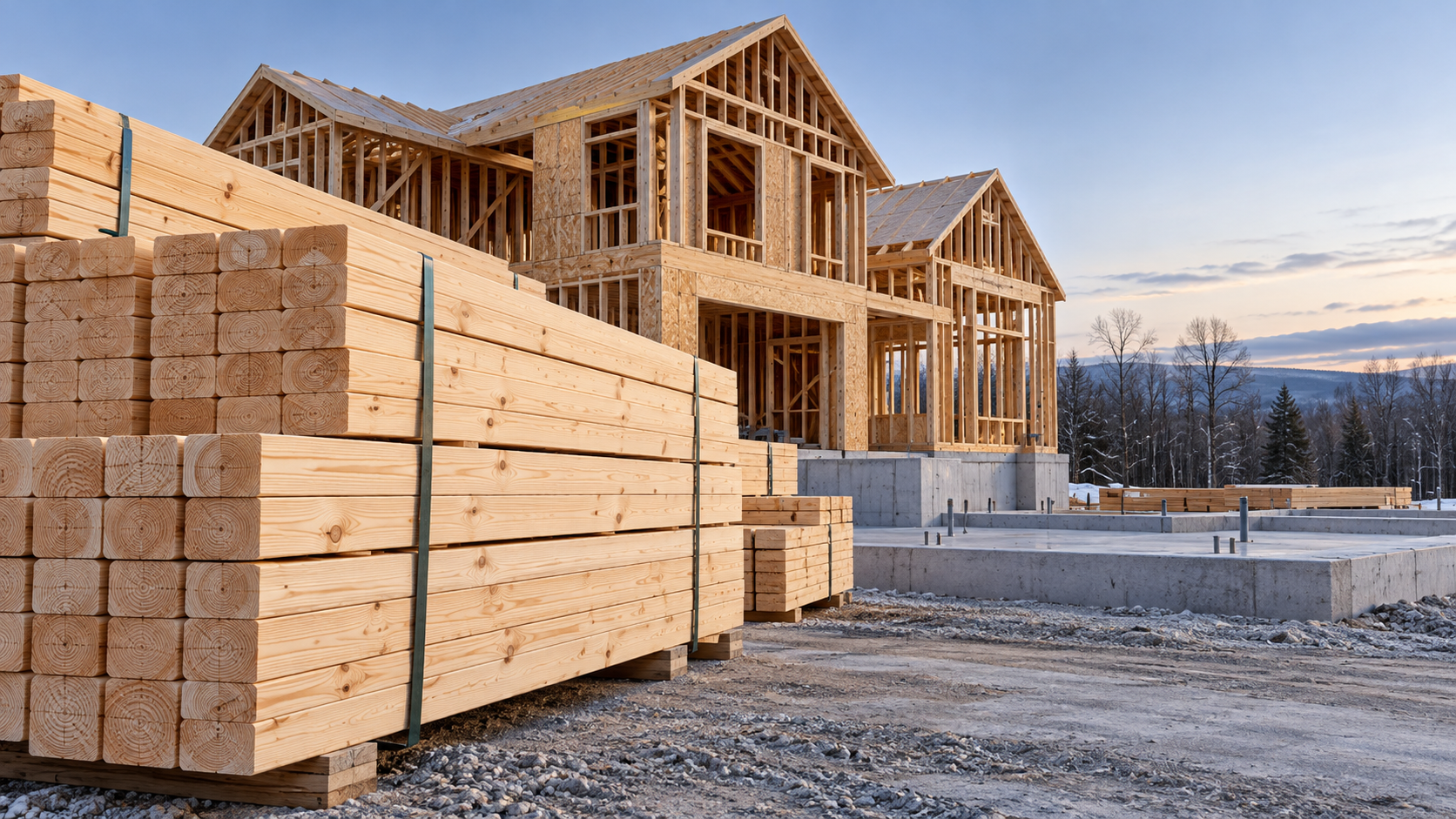
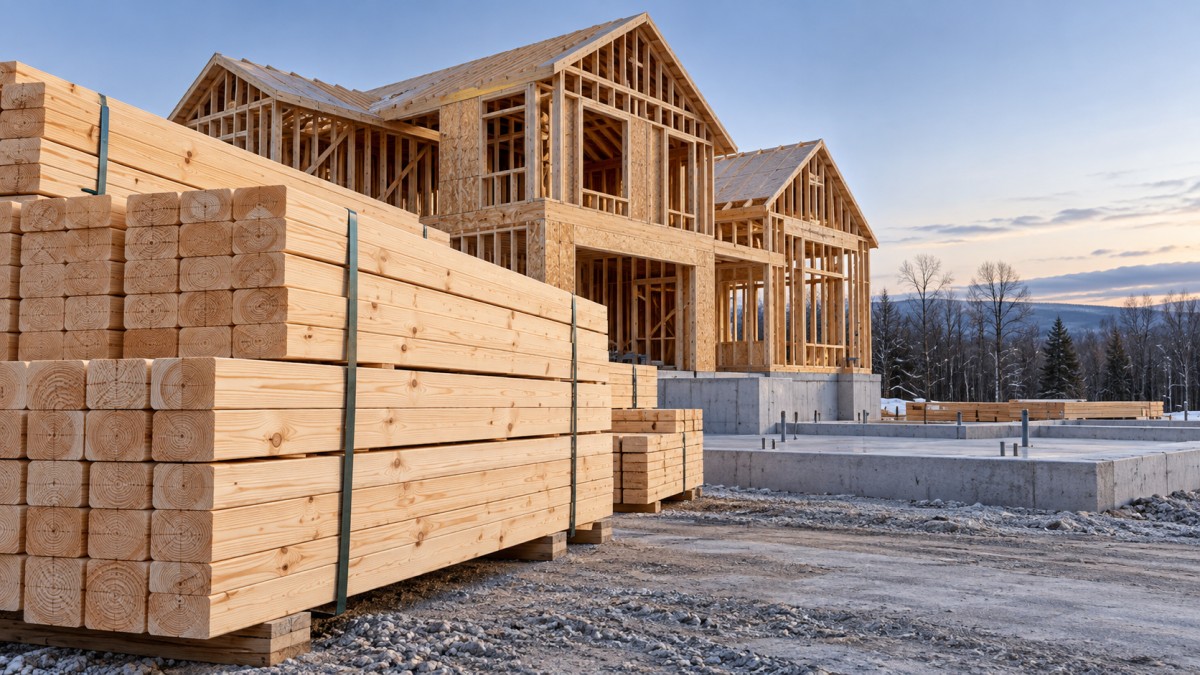
According to the supplied summary, sawmills are restricting supply as the US lumber market enters winter. Builders nevertheless have little incentive to make advance purchases, leaving sellers and buyers in a stalemate.
Lumber prices are awaiting signs of a housing-market recovery. The summary identifies housing-start data as a potential driver of short-term price movements, without specifying a reporting period, price level or expected direction.
Purchasing and Delivery Decisions Face Different Pressures
Mills must weigh supply restraint against uncertain orders
From an industry perspective, limiting supply could help producers manage exposure to weak purchasing, but the information provided does not establish that this will strengthen prices. Mills may need to assess whether customer inquiries turn into confirmed orders before adjusting production or delivery commitments. No formal production restriction or regulatory instruction is identified in the input.
Distributors face a possible inventory mismatch
Analysis suggests that distributors could face competing risks: carrying stock before demand improves, or holding too little if buying resumes while mill supply remains restricted. The practical focus may therefore be supplier availability, purchase commitments and delivery schedules. These are potential commercial pressures; the supplied account does not establish any change in trade documentation or certification requirements.
Builders need to connect buying decisions to project timing
For builders and construction procurement teams, the reported lack of incentive to buy ahead suggests continued caution. As an analytical consideration, however, delaying purchases could create exposure if available supply becomes less responsive when project requirements materialize. Buyers may benefit from checking order quantities and delivery commitments against their own construction schedules, without treating a possible housing recovery as assured.
Keep Procurement Commitments Tied to Verifiable Conditions
Confirm availability before relying on indicative offers
As a practical recommendation, buyers could verify the quantities and delivery dates suppliers are prepared to commit to. Because the report describes supply restraint without detailing its extent, it does not support an assumption that all suppliers or orders face the same constraints.
Review purchase timing alongside actual project needs
Analysis suggests that procurement teams could compare advance purchasing with staged ordering against confirmed project requirements. The relevant trade-off is between inventory exposure and the possibility of tighter availability. The input provides no basis for prescribing a particular purchasing volume or schedule.
Use housing data as a signal to reassess
Since the summary identifies housing starts as a possible influence on short-term prices, market participants could use subsequent data to reassess purchasing assumptions. As an analytical precaution, a change in a housing indicator should be considered alongside supplier quotations and actual customer orders before being treated as evidence of a sustained lumber-demand recovery.
Verify any claimed changes to purchasing requirements
No new certification, customs, product-standard or other compliance requirement is identified in the supplied information. If a supplier or trading partner attributes revised terms to a rule change, a reasonable verification step would be to request the underlying official document and check its scope and effective date. This is a recommendation for evaluating future claims, not evidence that such a change has occurred.
The Report Signals Commercial Tension, Not Confirmed Rule Implementation
As an editorial assessment, this development is best understood as a market adjustment signal. Supply restraint and cautious buying may influence commercial terms, but neither establishes a new industry rule or a formal policy intervention.
What deserves closer attention is whether stronger housing activity translates into actual lumber orders and whether producers respond by changing supply availability. Those developments could affect procurement decisions and delivery expectations. Any separate policy or trade-rule development would require independent verification before being incorporated into this account.
A Housing Recovery Remains a Condition to Monitor
On the information available, the practical conclusion is to keep purchasing and delivery plans responsive to confirmed demand and supplier commitments. Analysis suggests that supply restraint alone is insufficient to establish the direction of prices while builders remain reluctant to purchase ahead. This report supports monitoring market execution and procurement conditions; it does not establish a new compliance obligation or a confirmed price recovery.
Basis of This Account and Further Verification
This article is based solely on the user-provided news title, event-time information and event summary. The event date was not specified, and no specific official source links were supplied. The underlying report and any subsequent official information still require verification.
Further observation should focus on housing-start releases, reported mill supply decisions, purchasing activity, delivery commitments and industry feedback. If related policy or trade measures are subsequently reported, their official texts, implementation details and applicability would need to be checked separately. No such measures are established by the current input.
Leave A Message
If you are interested in our products and want to know more details, please leave a message here, we will reply you as soon as we can.