


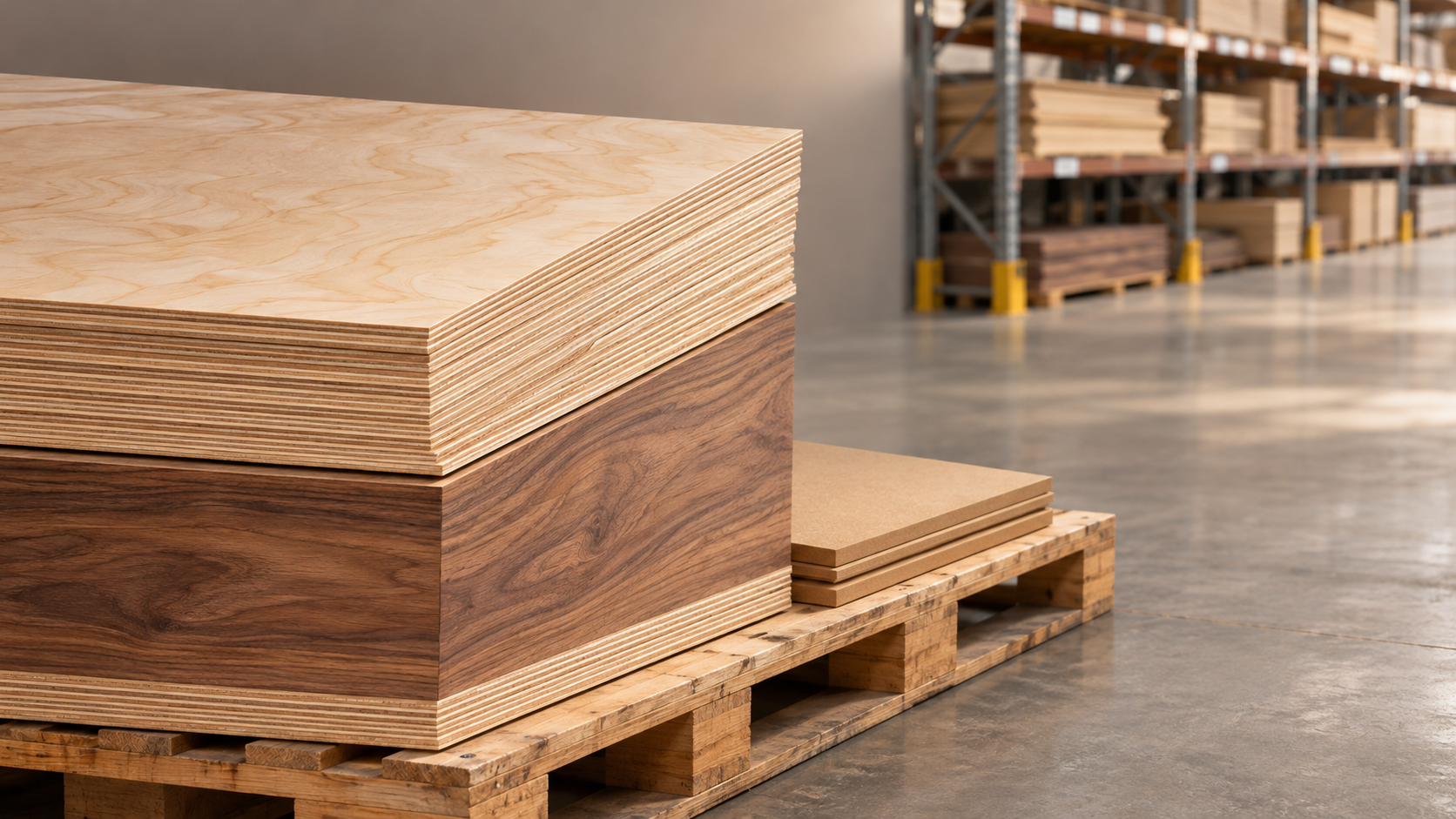
On November 13, 2026, US President Donald Trump signed a proclamation removing a 50% tariff on seven categories of Canadian hardwood plywood, including birch and walnut plywood, according to Wood Central. The move is intended to ease cost pressure on US importers. The United States also made new tariff adjustments affecting products including thin medium-density fiberboard (MDF).
The plywood decision changes an important part of the cost calculation for affected imports. Its effect on individual transactions, however, will depend on which products fall within the seven categories and how the removal is reflected in purchase terms. The direction and scale of the thin MDF adjustment are not specified in the report summarized here, so its commercial effect should be considered separately.
A change to the cost of covered plywood
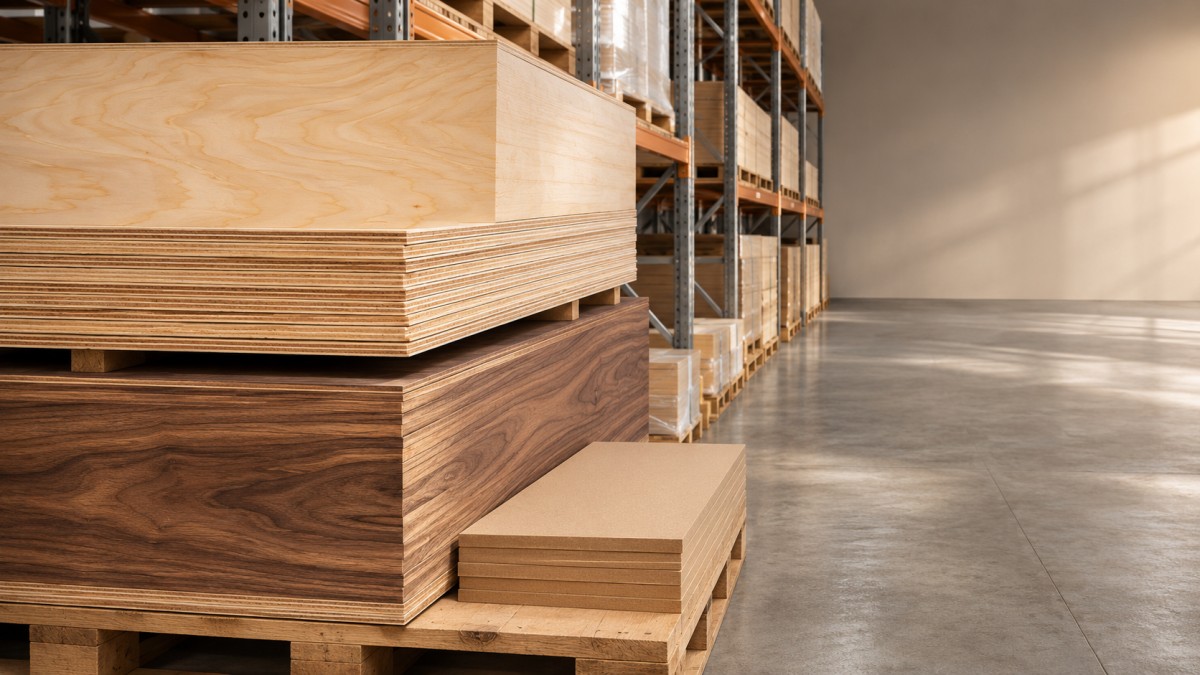
For US importers buying Canadian hardwood plywood covered by the proclamation, removing the 50% tariff eliminates that particular charge from the import cost calculation. This does not mean the final purchase price will fall by 50%: the tariff was one component of the cost, and the amount reflected in a buyer's price depends on the terms of the transaction and any other applicable charges.
The distinction matters when comparing offers. A buyer considering covered Canadian plywood could see a different relative cost position than before the announcement, but the size of the advantage will vary with the product and the price quoted. A lower tariff cost could be reflected in a buyer's purchase price, retained elsewhere in the supply chain, or shared between parties through their commercial terms.
Product coverage is therefore central to interpreting the change. The announcement identifies seven categories and includes birch and walnut plywood, but the information reported does not list every covered product or describe the classification details. Buyers and suppliers assessing a particular order will need to compare its specifications with the terms of the proclamation rather than assume that every Canadian hardwood plywood product receives the same treatment.
Why thin MDF needs a separate assessment
The tariff adjustment also concerns thin MDF and other products, but the reported information does not state the new rate, the direction of the change or the complete product scope. The plywood tariff removal should consequently not be treated as a description of what happened to thin MDF.
That distinction is relevant to businesses purchasing both materials. A change that reduces the tariff cost of covered plywood does not by itself establish whether the cost of thin MDF will rise or fall. Any comparison between the two will depend on the applicable tariff treatment, the specifications required for the intended use and the prices offered for each product.
For the same reason, the announcement alone does not establish that buyers will switch from one material to the other. Tariff costs can affect purchasing decisions, but they are only one part of a product comparison. The immediate question for thin MDF is what the adjustment means for the specific goods being purchased.
From tariff treatment to sourcing decisions
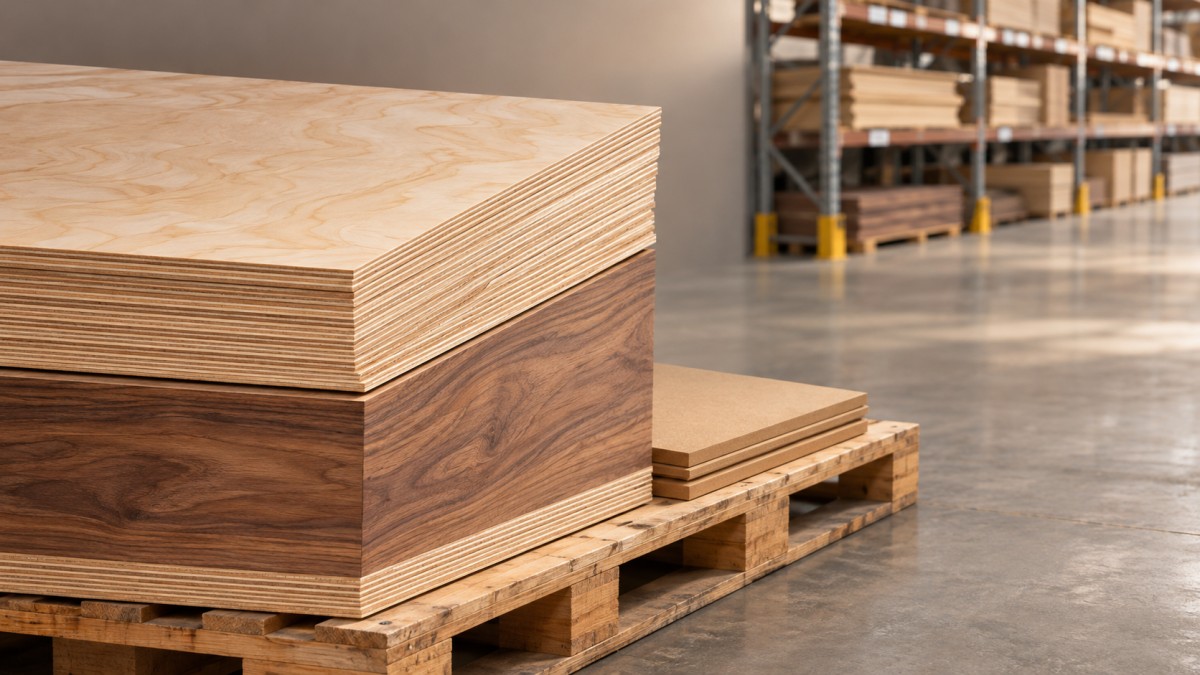
The first effects of the plywood measure may appear in quotations and the evaluation of upcoming purchases. Importers can reassess the landed cost of covered Canadian products, while suppliers and buyers may revisit prices in light of the removed charge. Whether those discussions lead to different sourcing decisions will depend on the resulting offers and the requirements of individual orders.
Existing purchase arrangements may respond differently from new ones. Where commercial terms have already been agreed, the effect on either party will depend on how those terms allocate tariff costs and when the relevant treatment applies. New negotiations may provide a clearer opportunity to reflect the change, though the final price remains a matter for the parties involved.
Over time, a sustained difference in tariff treatment could influence the relative appeal of covered Canadian plywood and other available supplies. Changes in sourcing or supply-chain flows would follow from actual purchasing decisions, however; they cannot be measured from the proclamation alone. The most useful developments to follow are the detailed product coverage, the terms of the thin MDF adjustment and subsequent changes in quotations and orders.
Leave A Message
If you are interested in our products and want to know more details, please leave a message here, we will reply you as soon as we can.