



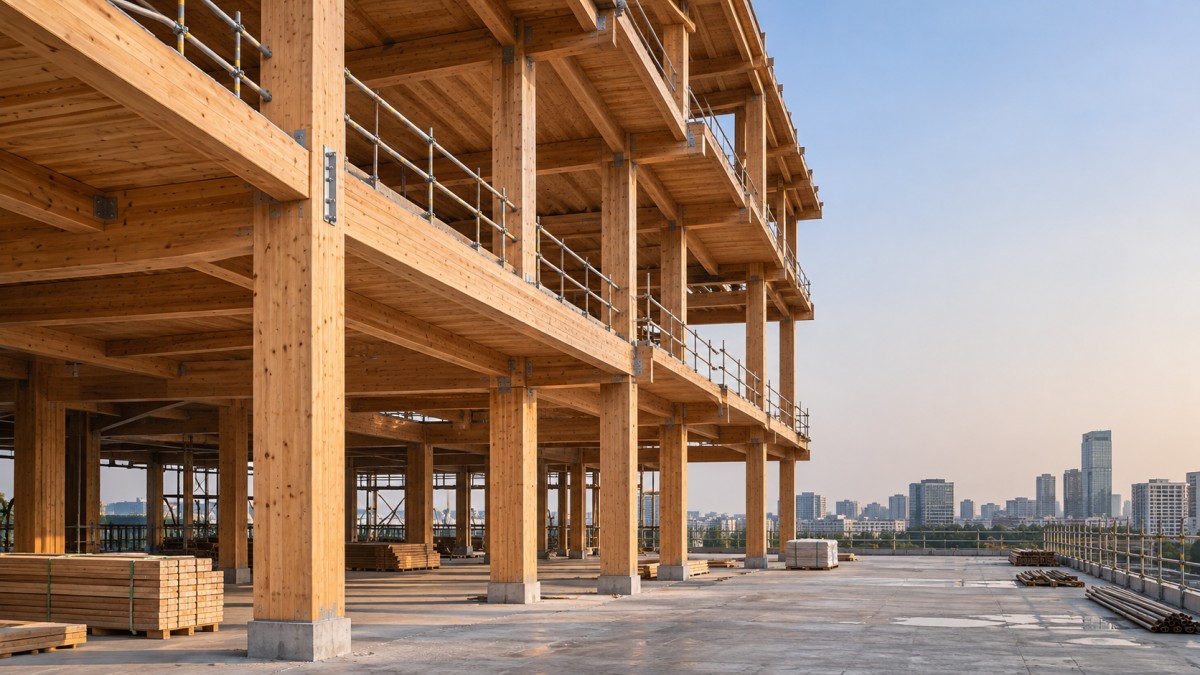
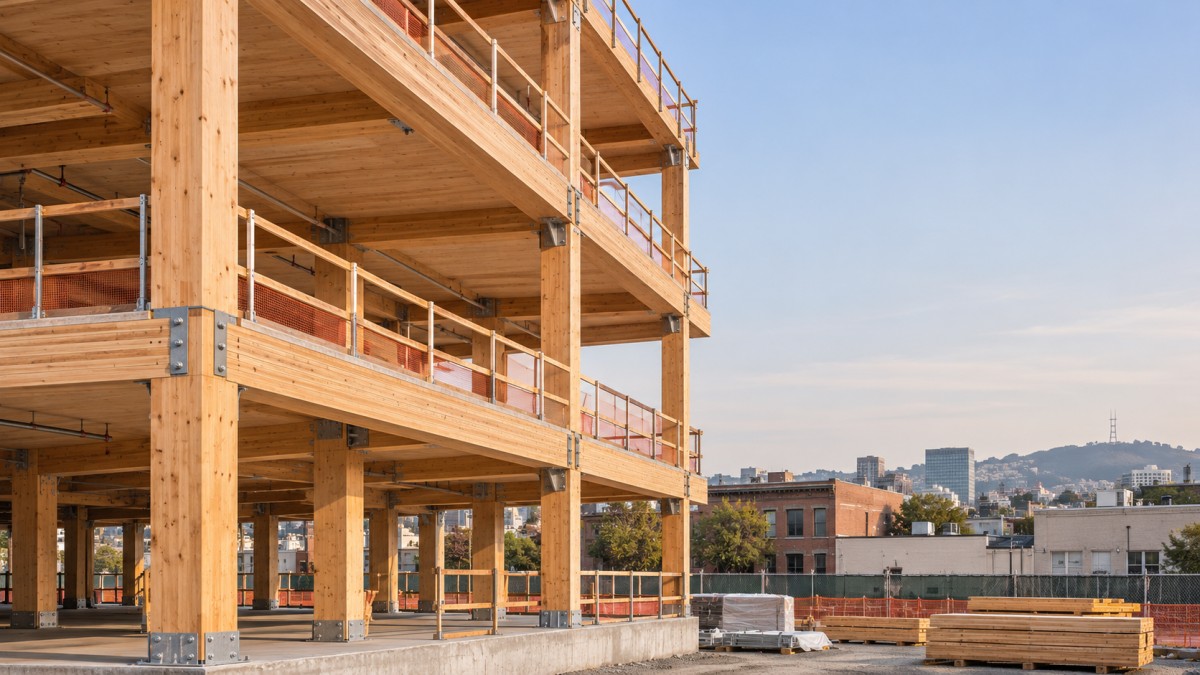
WoodWorks republished a Wall Street Journal report on November 17 examining the growing use of mass timber in the US construction market. The date of the underlying event is not specified in the supplied information. The report points to wider adoption in commercial and multifamily residential projects, associated with sustainability and construction efficiency advantages. No specific policy, standard or regulatory change is identified, but the development warrants attention from project owners, suppliers and contractors assessing how material requirements, documentation and delivery practices may apply to mass timber projects.
What the report identifies
According to the supplied information, WoodWorks republished the Wall Street Journal report on November 17. The report discusses the increasing use of mass timber in the US building market.
The supplied summary identifies sustainability and construction efficiency as advantages associated with the material. It also says mass timber is being adopted more widely in commercial and multifamily residential projects, contributing to the development of timber construction technologies.
The information does not identify a specific change to a law, building rule, standard, certification or trade requirement. It also does not specify the date of the event discussed in the report.
Where wider use could affect project decisions
From an industry perspective, the reported expansion is a reason to examine how existing project requirements are applied to mass timber. The following implications are analytical possibilities; the supplied information does not establish that any particular requirement or business practice has changed.
Project owners and procurement teams
For owners considering commercial or multifamily residential projects, a decision to use mass timber may affect how specifications are written and how suppliers are evaluated. Procurement teams could need to compare proposed products against the requirements applicable to each project, including any evidence requested in tender documents. The relevant questions are practical: what material characteristics must be demonstrated, which documents will be accepted, and when must that evidence be available?
Analysis suggests that sustainability and construction efficiency claims may also receive closer scrutiny during purchasing decisions. Buyers may benefit from asking how a proposed product or construction approach supports the objectives stated in the project documents. The supplied report does not establish a common measurement method or guarantee a particular outcome, so the value of a claim would need to be assessed against the evidence available for the project.
Manufacturers and material suppliers
For manufacturers and suppliers, wider consideration of mass timber could increase the importance of providing clear product information early in a project. Depending on the requirements specified by the buyer and the authorities responsible for the project, relevant information may include technical descriptions, test documentation or evidence of certification. The supplied information does not state that any new certificate or test has become mandatory.
Suppliers may also need to align their offers with the purchaser’s design, documentation and delivery schedule. If a specification is incomplete or changes during review, the effect could extend beyond the initial quotation to material selection and delivery planning. This is a possible project risk, not an outcome confirmed by the report.
Contractors and delivery partners
For contractors and other delivery partners, the reported interest in construction efficiency makes coordination a point for review. The potential benefit of a material can depend on how the selected products, project documents and delivery arrangements fit together. Contractors may therefore want to examine the information available before committing to a schedule or method of work.
Where a project involves several suppliers or service providers, analysis suggests that responsibilities for documentation and acceptance should be clarified early. Teams could check who will provide product evidence, who will review it and how any changes will be communicated. These are suggested coordination steps; the input does not describe a new delivery rule.
Testing and certification services
If more project teams consider mass timber, testing and certification providers may encounter more requests to explain what evidence is relevant to a particular specification. The effect would depend on the requirements attached to individual projects and on how purchasers interpret them. The supplied information does not identify a new certification scheme, a revised test method or an increase in demand for such services.
Checks to make before committing to a mass timber project
Confirm the project’s applicable requirements
Businesses assessing an opportunity can begin by identifying the requirements that actually apply to the proposed project and material. This may involve reviewing the tender, the project specification and any applicable official guidance with the responsible project participants. A requirement should be treated as confirmed only after its source, scope and relevance have been checked.
This distinction matters because the reported growth in use does not itself establish a rule change. A project may call for particular documentation, but the supplied information does not say which documents are required or whether requirements differ across projects. Firms should avoid assuming that a request on one project automatically applies to another.
Connect product claims to available evidence
Suppliers and buyers may find it useful to identify the documents supporting the characteristics referenced in an offer, including any sustainability or construction efficiency claims. They can then compare those documents with the information requested by the buyer and the project’s applicable requirements. Where a claim cannot be verified from the available material, the parties can seek clarification before relying on it in a procurement decision.
Technical documents, test reports and certification records may be relevant where a project calls for them. Their availability, scope and acceptance should be checked rather than assumed. The supplied summary does not identify the evidence behind the advantages discussed in the report.
Align purchasing with design and delivery
Mass timber’s reported appeal in commercial and multifamily residential projects makes the relationship between the specification and the purchasing schedule worth examining. A buyer could review when material details must be settled, when supplier documentation will be available and whether the proposed delivery plan matches the project schedule. Suppliers and contractors can use the same review to identify questions that need a decision before an order is placed.
Analysis suggests that early clarification may reduce the risk of later misunderstandings over product selection or documentation. It does not guarantee a shorter construction period, and the supplied information provides no project-level timetable against which such a claim could be measured.
Keep alternatives subject to the same review
Where a project is comparing mass timber with another material or construction approach, decision-makers may want to evaluate each option against the same stated project objectives. The comparison could cover the evidence supplied, the applicable requirements, procurement arrangements and the proposed delivery schedule. Any assessment of sustainability or efficiency would depend on the information available for the options being considered.
The report’s description of wider adoption is not evidence that mass timber is appropriate for every project. An alternative should likewise be assessed against the actual specification rather than treated as acceptable solely because it has been used elsewhere.
A market signal that still needs rule-level verification
At this stage, it is more appropriate to understand the report as a signal of market adoption and technical interest than as confirmation of a new rule or an official execution measure. The supplied information describes wider use and associated advantages, but it does not identify a policy decision, a compliance deadline or a change in how a regulator will assess projects.
What deserves closer attention is whether subsequent official publications, project specifications or industry feedback clarify how mass timber is being evaluated in practice. For businesses, the distinction is consequential: a reported market trend may justify reviewing capabilities and documents, while a specific legal or contractual obligation requires its own verified source.
Future information could also help firms assess whether purchasers are asking for different evidence, whether tender language is changing and how project participants report their experience with delivery. None of those changes is established by the supplied summary. Their significance would depend on the detail, scope and authority of any later publication or project requirement.
How to use the report in current decisions
The reported expansion gives companies a reason to examine mass timber opportunities in commercial and multifamily residential construction. Its immediate practical value is to prompt a review of project fit, supporting documentation and coordination across procurement and delivery.
The balanced response is to monitor the market while verifying requirements project by project. On the information supplied, the report should not be treated as proof that a new policy, certification obligation or trade rule has taken effect. Decisions about a particular offer or project should rest on the documents and requirements applicable to that decision.
Basis for this article and further verification
This article is based on the user-provided news title, event timing and event summary. Those inputs identify the WoodWorks republication of a Wall Street Journal report on November 17, but do not specify the date of the underlying event. The implications and suggested checks above are analysis, not additional facts established by the supplied report.
No specific official source link was provided in the input, and further verification remains necessary. Depending on the question being assessed, useful source types may include official announcements, regulatory publications, standards documents, industry association information and authoritative media reports. Businesses should continue to monitor any relevant policy details, certification interpretations, tender changes, trade implementation and industry feedback before treating a potential development as an established requirement.
Leave A Message
If you are interested in our products and want to know more details, please leave a message here, we will reply you as soon as we can.