


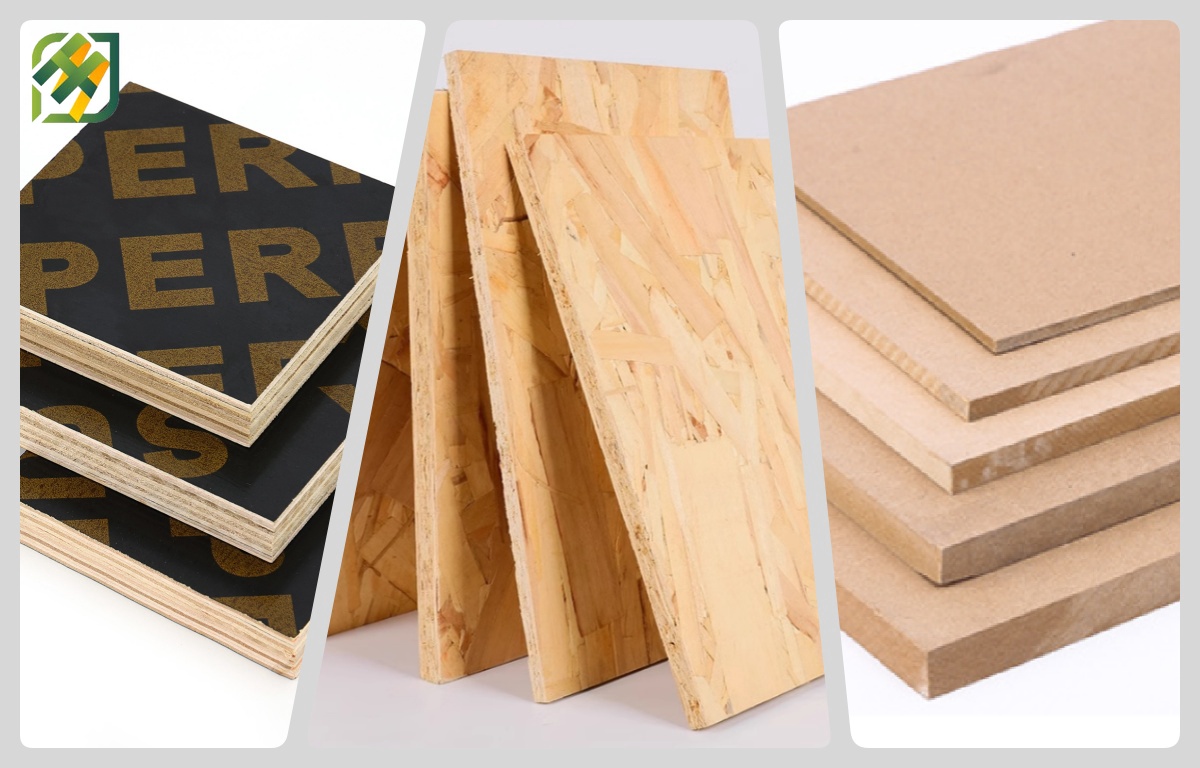
MDF vs OSB vs Plywood: Which Panel Should You Choose?
MDF, OSB and plywood are three common engineered wood panels used in furniture, construction, packaging and decoration projects. Although they may look similar as sheet materials, they are made in different ways and are suitable for different applications.
The best choice depends on your project use, required strength, surface finish, moisture resistance, processing method and budget. This guide explains the key differences between MDF, OSB and plywood to help buyers choose the right panel.
Quick Answer: MDF, OSB or Plywood?
If you need a smooth surface for furniture, cabinets or painting, MDF board is often a suitable option. If you need a cost-effective structural panel for roofing, wall sheathing, flooring or construction, OSB board is commonly used. If you need stronger panel structure, better screw holding and wider application range, plywood is usually the most flexible choice.
- MDF: Best for smooth furniture, cabinets, wall panels and interior decoration.
- OSB: Best for construction, roofing, wall sheathing, flooring and packaging.
- Plywood: Best for furniture, cabinets, packaging, construction, formwork and general panel use.
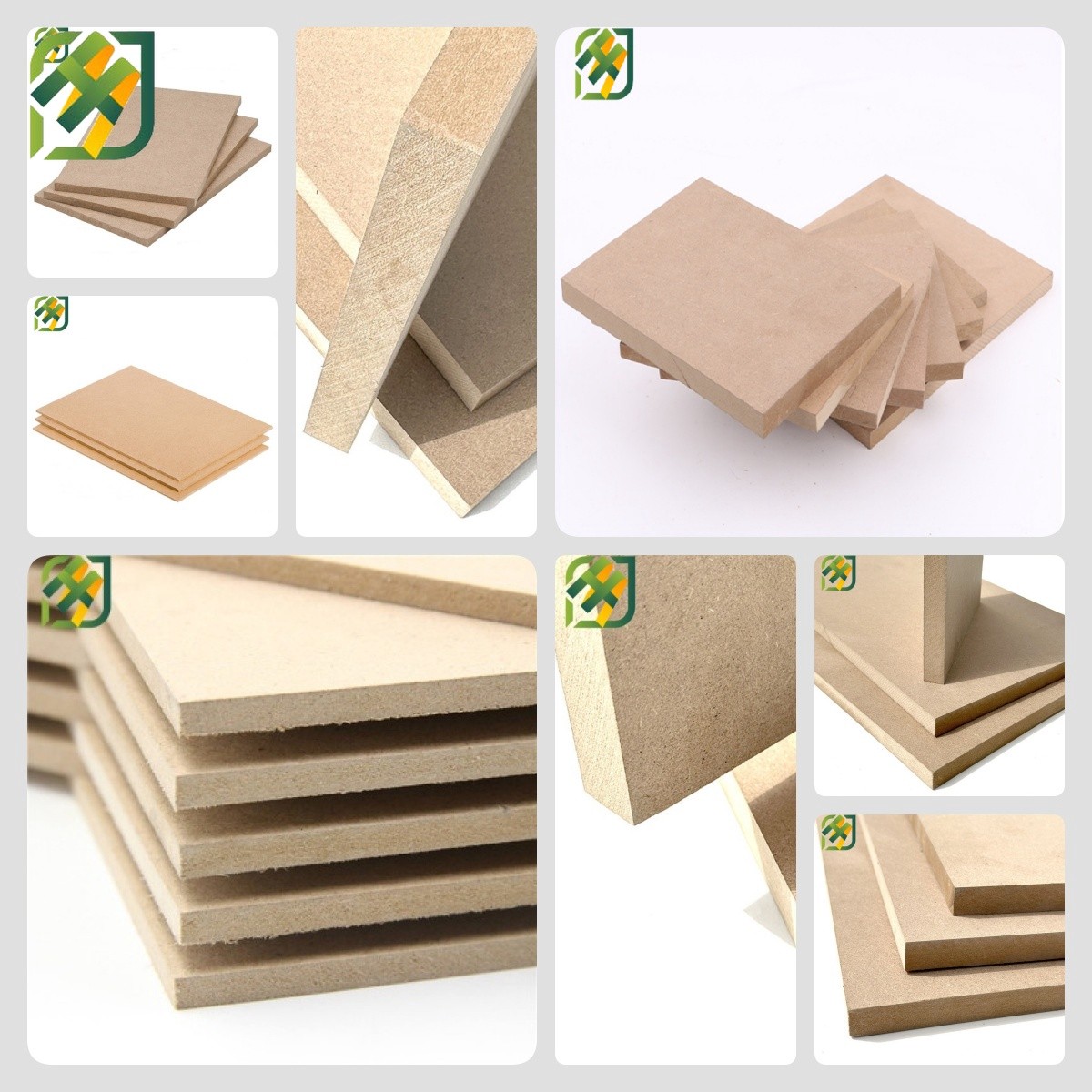
What Is MDF?
MDF stands for medium density fiberboard. It is an engineered wood panel made from wood fibers and resin under heat and pressure. MDF has a smooth surface and uniform internal structure, making it suitable for furniture manufacturing and interior decoration.
MDF board is easy to cut, route, drill, paint, laminate and process by CNC machines. It is widely used for cabinets, wardrobes, shelves, doors, wall panels, partitions and decorative furniture components.
However, standard MDF is not suitable for long-term water exposure or heavy structural use. For humid indoor environments, buyers can choose moisture resistant MDF board according to project requirements.
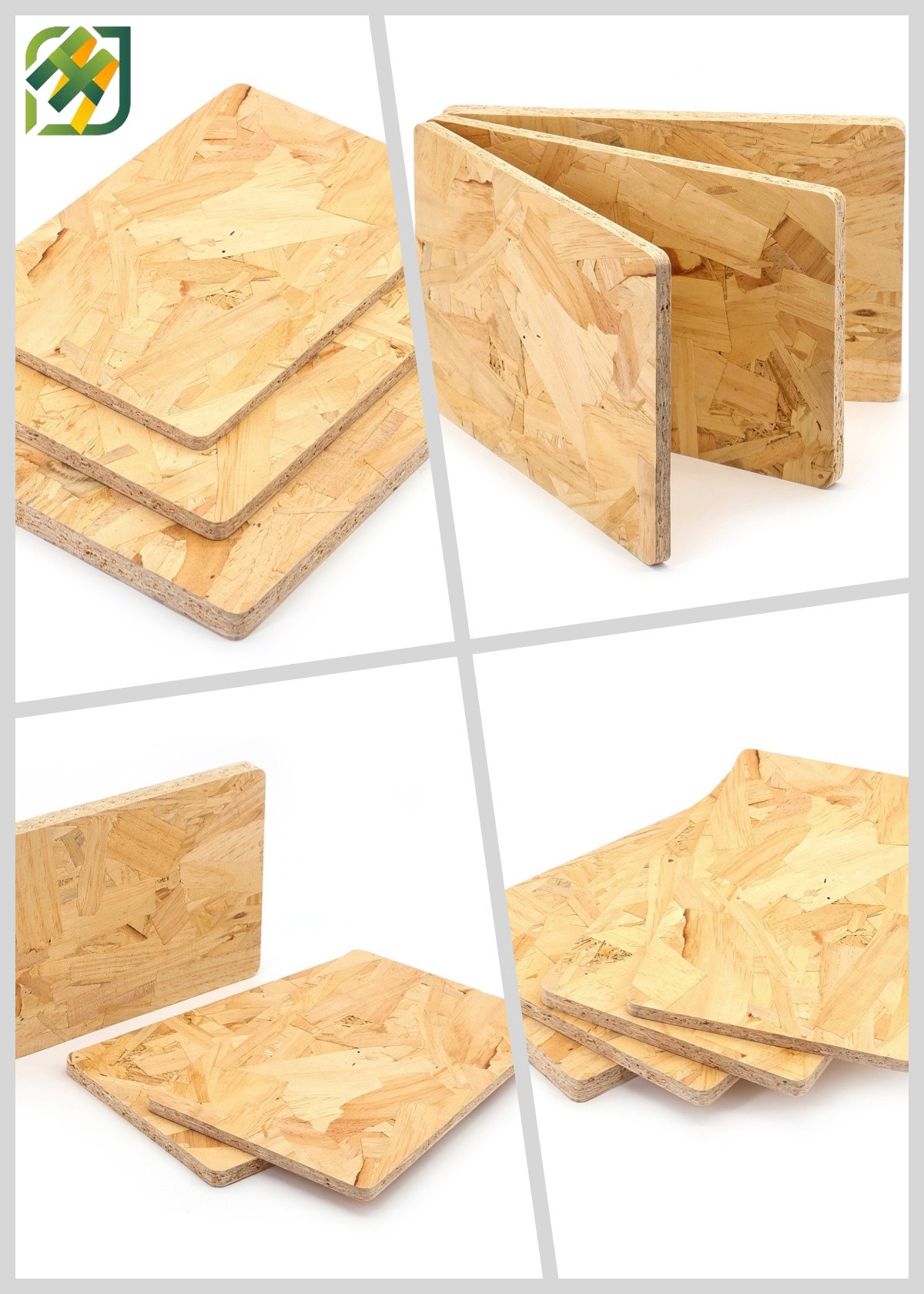
What Is OSB?
OSB stands for oriented strand board. It is an engineered wood panel made from oriented wood strands bonded with adhesives under heat and pressure. OSB is known for its structural strength, cost-effective performance and wide use in construction markets.
OSB board is commonly used for roofing, wall sheathing, flooring, packaging, crates, pallets and general building material applications. It is suitable for projects that need practical strength and large-size panel coverage.
Compared with MDF, OSB has a rougher surface and is not usually selected for high-end decorative furniture surfaces. Its strength and cost performance make it more suitable for construction and packaging use.
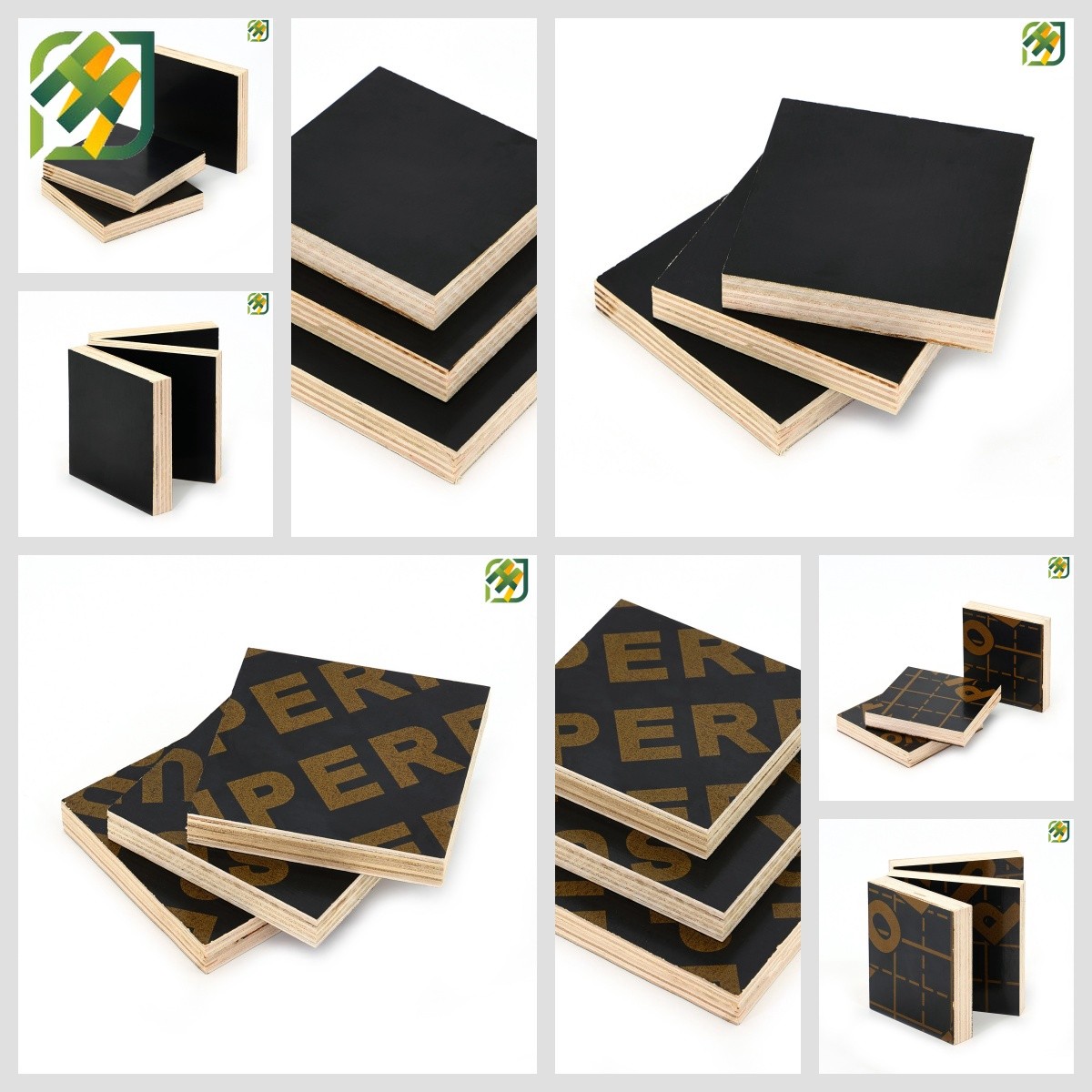
What Is Plywood?
Plywood is made from multiple layers of wood veneers bonded together with the grain direction arranged in alternating layers. This structure gives plywood good strength, stability and versatility.
Plywood can be used in many different applications, including furniture, cabinets, packaging, construction, concrete formwork, marine use and interior decoration. Different plywood types can be selected according to application requirements, such as commercial plywood, film faced plywood, marine plywood, furniture plywood and packing plywood.
Compared with MDF and OSB, plywood usually offers better screw holding, stronger layered structure and wider application flexibility.
MDF vs OSB vs Plywood: Main Differences
Best Panel for Furniture
For furniture manufacturing, MDF and plywood are both common choices.
MDF board is suitable for furniture that requires smooth surface, painting, laminating, CNC cutting or decorative finishing. It is often used for cabinet doors, shelves, wardrobes, wall panels and interior furniture components.
Plywood is suitable for furniture that needs better strength, better screw holding and stronger panel structure. Furniture plywood, commercial plywood and birch plywood are common options for cabinets, wardrobes, shelves, tables and other furniture products.
OSB is usually not the first choice for decorative furniture because its surface is rougher. However, it can be used for simple shelves, industrial-style furniture or cost-effective structural panels.
Best Panel for Construction
For construction applications, OSB and plywood are more commonly used than MDF.
OSB board is widely used for roofing, wall sheathing, flooring and general construction because it offers practical strength and cost-effective performance.
Plywood is also widely used in construction, especially when better strength, screw holding, panel stability or specific performance is required. Film faced plywood is used for concrete formwork, while marine plywood is used for humid or demanding environments.
MDF is generally not recommended for structural construction use or wet outdoor conditions. It is more suitable for indoor furniture and decoration projects.
Best Panel for Packaging
For packaging and export shipment, plywood and OSB are commonly used. Packing plywood is suitable for crates, pallets, boxes, machinery packaging and industrial packing applications. It provides practical protection during storage, handling and transportation.
OSB can also be used for packaging, especially for crates, pallets and temporary protection panels where cost control is important.
MDF is not usually the best choice for heavy export packaging because it may not perform as well as plywood or OSB in impact resistance, screw holding and humid transportation conditions.
Which Panel Should You Choose?
The right panel depends on your application and performance requirements. Buyers should not choose only by price. Surface quality, strength, moisture resistance, processing method, packing and end use should all be considered.
- Choose MDF if you need smooth surface, easy processing, painting, laminating, CNC cutting or interior furniture use.
- Choose OSB if you need a cost-effective panel for construction, roofing, wall sheathing, flooring or packaging.
- Choose plywood if you need stronger structure, better screw holding, wider application range or customized plywood types.
What Details Should Buyers Confirm Before Ordering?
To choose the right MDF, OSB or plywood product, buyers should confirm the following details before ordering:
- Application: Furniture, cabinets, construction, packaging, decoration, roofing or formwork.
- Panel type: MDF board, OSB board, commercial plywood, film faced plywood, marine plywood or packing plywood.
- Size: 1220*2440mm, 1250*2500mm, 1830*2440mm or customized size.
- Thickness: Required thickness according to application and market demand.
- Surface requirement: Smooth surface, decorative surface, raw surface, sanded surface or film surface.
- Core or density: Core material for plywood, density for MDF, grade for OSB.
- Glue type: MR glue, melamine glue, WBP glue or other required glue type.
- Order quantity: Pieces, cubic meters, pallets or container quantity.
- Destination market: Destination country or port for packing and loading reference.
Haoxin Wood Panel Supply
Haoxin supplies MDF board, OSB board, commercial plywood, film faced plywood, marine plywood, packing plywood, furniture plywood, melamine plywood and other wood panel products for global markets.
For furniture and decoration projects, Haoxin can provide MDF board, furniture plywood and melamine plywood. For construction and packaging applications, OSB board, packing plywood, commercial plywood and film faced plywood are available according to project needs.
Send Your Wood Panel Inquiry
Tell us your required panel type, size, thickness, surface requirement, quantity, application and destination port. Haoxin will provide suitable MDF, OSB or plywood options and quotation support according to your project needs and market requirements.
Leave A Message
If you are interested in our products and want to know more details, please leave a message here, we will reply you as soon as we can.