


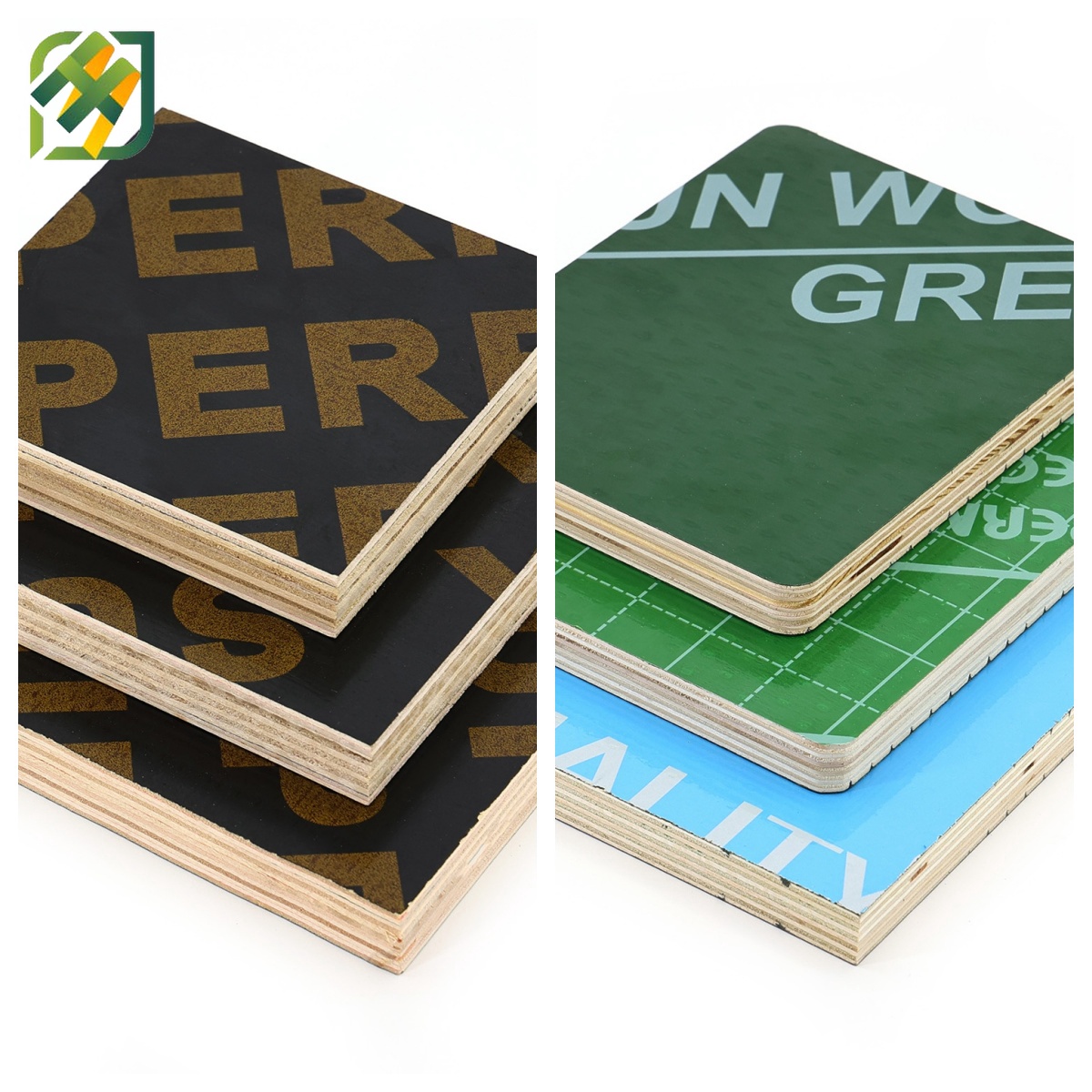
PP Plastic Film Faced Plywood vs Standard Film Faced Plywood: Which Is Better for Middle East Formwork?
Concrete contractors and formwork buyers across Saudi Arabia, the UAE, Qatar, Kuwait, Oman and Bahrain can choose from several types of coated plywood. Two common options are PP plastic film faced plywood and standard film faced plywood with a black or brown resin-impregnated paper surface.
Both products can be used for wall formwork, slab formwork, beam formwork, column shuttering and other concrete construction applications. However, they differ in surface material, initial cost, cleaning, wear resistance and practical reuse potential.
The right choice depends on the required number of pours, concrete finish, site handling, exposure conditions and purchasing budget. This guide explains the differences without assuming that one type is suitable for every project.
What Is PP Plastic Film Faced Plywood?
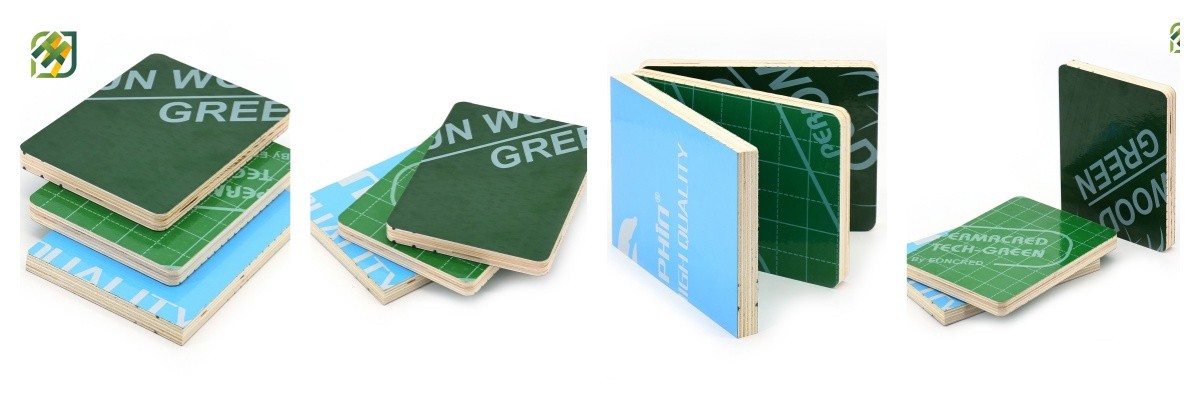
PP stands for polypropylene, a thermoplastic polymer used as the plastic surface layer of the plywood. PP plastic film faced plywood consists of a plywood core covered with a PP film surface for concrete formwork and shuttering applications.
The smooth PP surface can support practical concrete release, cleaning and repeated formwork use. Available specifications may include green, black, brown, grey or customized film colors, along with different core structures, glue options and edge treatments.
The PP surface helps protect the panel faces, but the plywood edges, drilled holes, cut areas and damaged surfaces can still allow moisture to enter the core. These areas should be protected according to site conditions.
What Is Standard Film Faced Plywood?
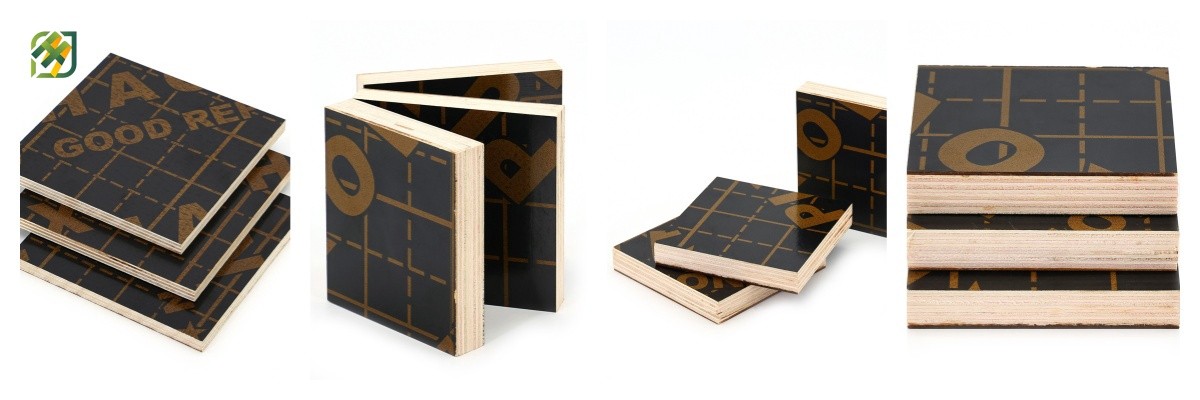
Standard film faced plywood normally uses a black or brown resin-impregnated paper film surface. It is widely used as an economical and practical panel for concrete formwork, shuttering and general construction.
Its performance depends on more than film color. Film material, film weight, core structure, veneer quality, glue type, hot pressing, thickness control and edge sealing all influence the final panel quality.
Black film and brown film should therefore be treated as color and surface options rather than automatic quality grades. A buyer should compare the complete specification instead of selecting a panel by color alone.
PP Film vs Standard Film: Key Differences
1. Surface Material
PP Plastic Film Faced Plywood: Uses a polypropylene plastic film surface.
Standard Film Faced Plywood: Normally uses a black or brown resin-impregnated paper film surface.
2. Initial Cost
PP Plastic Film Faced Plywood: Usually has a higher initial price because of the PP plastic surface system.
Standard Film Faced Plywood: Usually provides a more economical option for standard formwork requirements.
3. Surface Wear
PP Plastic Film Faced Plywood: Suitable PP surfaces can provide improved resistance to scratching and repeated cleaning.
Standard Film Faced Plywood: Surface durability depends on film material, film weight, production quality and site handling.
4. Concrete Release
PP Plastic Film Faced Plywood: Its smooth plastic surface can support easier cleaning and demoulding.
Standard Film Faced Plywood: Its smooth film surface supports practical concrete release under proper use.
5. Moisture Protection
PP Plastic Film Faced Plywood: PP film provides a practical surface barrier, but edges, drilled holes and cut areas still require protection.
Standard Film Faced Plywood: Moisture protection depends on film quality, glue type, edge sealing and site exposure.
6. Reuse Potential
PP Plastic Film Faced Plywood: Suitable for projects that place greater emphasis on repeated use, cleaning and surface durability.
Standard Film Faced Plywood: Suitable for general or cost-controlled formwork projects.
7. Recommended Applications
PP Plastic Film Faced Plywood: Suitable for repeated formwork and projects requiring easier surface cleaning.
Standard Film Faced Plywood: Suitable for general construction and projects with controlled purchasing budgets.
Surface Film and Core Glue Are Separate Specifications
The surface film and the adhesive used to bond the plywood core are separate product specifications. A PP plastic surface does not automatically identify the glue used inside the plywood. The same principle applies to black and brown standard film surfaces.
Surface options: PP plastic film, black paper film, brown paper film or another customized surface.
Glue options: MR glue, melamine glue, WBP phenolic glue or another bonding option according to the order.
Buyers should confirm the film, glue, core and edge treatment separately. If a project requires a particular bonding test, exposure class or supporting report, that requirement should be stated before production.
Common Specifications for Middle East Formwork
Regular sizes: 1220*2440mm, 1250*2500mm or customized sizes according to production and order requirements.
Thickness options: 9mm, 12mm, 15mm, 18mm, 21mm or customized thickness. The engineer or formwork designer should confirm the required thickness according to concrete pressure, panel span and supporting system.
Core options: Poplar core, poplar-eucalyptus combi core, eucalyptus core and birch core can be discussed according to required panel weight, strength, application and budget.
Edge treatment: Sealed edges or customized edge treatment. Cut, drilled or machined areas may require additional sealing during installation.
Initial Price vs Cost Per Use
Standard film faced plywood normally has a lower initial purchase price. This makes it suitable for general formwork, limited-pour projects and buyers who need to control the first purchasing cost.
PP plastic film faced plywood normally has a higher initial price. It may provide better lifecycle value when a suitable PP surface, stable core, appropriate glue and proper edge protection are combined with disciplined site handling.
Basic calculation: Cost per use equals the purchase cost per sheet divided by the actual number of usable concrete pours.
The actual number of reuse cycles depends on the surface material, core structure, glue type, edge sealing, concrete conditions, release agent, demoulding, cleaning, storage and site handling. Buyers should avoid selecting a panel based only on an advertised reuse number.
Which Type Is Better for Saudi Arabia and UAE Projects?
Choose PP plastic film faced plywood when: The project emphasizes repeated formwork use, easier cleaning, surface wear resistance and lifecycle cost.
Choose standard film faced plywood when: The project needs an economical and practical panel for general formwork or a limited number of concrete pours.
For either option, buyers in Saudi Arabia, the UAE and other Middle East markets should confirm storage conditions, direct sunlight exposure, site temperature, expected pour cycles and concrete finish requirements before placing an order.
Quality Checklist Before Ordering
- Surface material: Confirm PP plastic film or standard black or brown film.
- Sheet size and thickness: Confirm nominal dimensions, actual thickness and permitted tolerance.
- Core structure: Confirm the wood species, veneer arrangement and acceptable core gaps.
- Glue type: Confirm MR, melamine, WBP phenolic or another required bonding specification.
- Edge sealing: Check whether the original edges are completely and evenly sealed.
- Panel flatness: Inspect panels for warping, twisting or visible deformation.
- Surface quality: Check for scratches, bubbles, uneven film adhesion and other visible defects.
- Testing and documentation: Confirm required test methods, reports and product documents before production.
- Packing: Confirm pallet protection, labels, straps, corner protection and container loading.
Frequently Asked Questions
Is PP plastic film faced plywood always better?
No. PP plastic film faced plywood may be more suitable for projects that value repeated use, cleaning and surface durability. Standard film faced plywood may provide better purchasing value for general or limited-pour projects.
Is PP film faced plywood completely waterproof?
The PP surface provides a practical moisture barrier, but the finished plywood panel should not automatically be described as completely waterproof. Edges, cuts, drilled holes and damaged areas can expose the wood core and may require additional sealing.
Can standard film faced plywood produce a smooth concrete finish?
Yes. A suitable standard film faced plywood panel can provide a smooth concrete finish when the film, core, glue, edge sealing, installation and demoulding are appropriate for the application.
What thickness is commonly selected for formwork?
Common options include 12mm, 15mm, 18mm and 21mm. The required thickness must be confirmed according to concrete pressure, panel span, support spacing and the formwork system.
How can buyers get an accurate quotation?
Tell us your required surface type, size, thickness, core structure, glue type, edge treatment, quantity, application and destination port. Any required testing or documentation should also be stated before quotation.
Compare Haoxin Formwork Plywood Options
Explore PP plastic film faced plywood for projects that emphasize repeated use and practical surface performance.
Explore standard film faced plywood for general concrete formwork and cost-controlled construction requirements.
Send Your Film Faced Plywood Inquiry
Tell us your required film surface, size, thickness, core type, glue type, edge treatment, quantity, application and destination port. Haoxin will provide suitable product options and a quotation according to your Middle East concrete formwork project requirements.
Contact Haoxin for product specifications and quotation support.
Leave A Message
If you are interested in our products and want to know more details, please leave a message here, we will reply you as soon as we can.